Gallium Oxide Emerges as Next-Generation Power Semiconductor Material
Advances in fabrication and crystal growth accelerate commercial potential in high-voltage and energy-efficient applications.
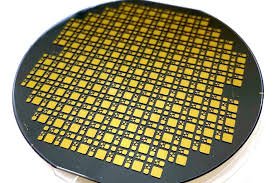
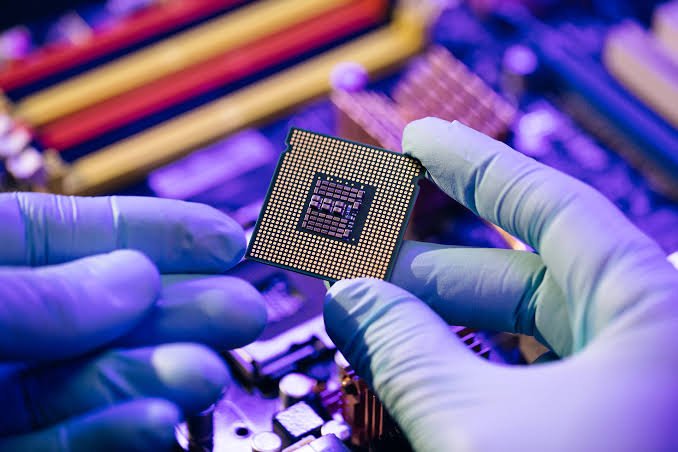
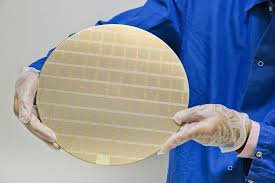
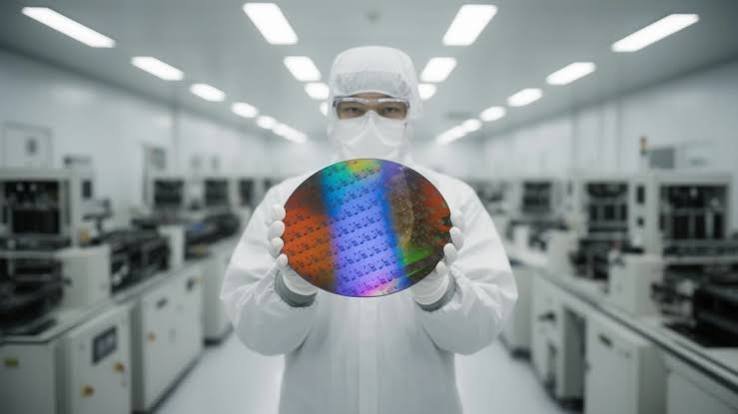
Recent progress in fabrication tools and processing techniques is accelerating the development of gallium oxide (Ga₂O₃) as a promising material for next-generation power semiconductors. Researchers, including teams from leading academic and industrial institutions, have reported important breakthroughs that enhance how this material is grown and adapted for practical device applications.
Gallium oxide has gained considerable attention due to its ultra-wide bandgap properties, which allow devices to operate at significantly higher voltages and under more demanding conditions than conventional semiconductor materials. This makes it particularly suitable for applications such as electric vehicles, renewable energy systems, and aerospace technologies.
A key advantage of gallium oxide is the relative abundance and lower cost of its raw materials when compared with alternatives such as silicon carbide (SiC) and gallium nitride (GaN). These economic benefits, combined with strong electrical performance, make it an attractive option for future power electronics.
Recent innovations have focused on improving crystal growth techniques and enhancing overall material quality. Researchers have developed new approaches to refine epitaxial growth, minimise defects, and achieve better control over doping and device structures. Such improvements are essential for producing reliable, high-performance semiconductor devices.
In addition, advances in device fabrication are enabling gallium oxide components to manage higher voltages while maintaining efficiency. This progress has the potential to reduce energy losses, lower cooling requirements, and improve the overall performance of power conversion systems.
Despite its promise, several challenges remain, particularly in relation to material defects, thermal management, and the development of stable p-type doping. However, ongoing research and continuous improvements in processing techniques are steadily bringing gallium oxide closer to large-scale commercial adoption.
Overall, gallium oxide is emerging as a strong contender in the evolution of power semiconductor materials, with continued innovation expected to unlock its full potential in next-generation electronic systems.