Thermal Interface Materials Market to Reach USD 6.2 Billion by 2036 as AI and Semiconductor Demand Accelerates
Growing investment in artificial intelligence, semiconductor manufacturing and electric vehicles is driving demand for advanced thermal management materials worldwide.
The global market for thermal interface materials (TIMs) is forecast to grow from USD 3.8 billion in 2026 to USD 6.2 billion by 2036, representing a compound annual growth rate (CAGR) of 5.1%, according to a recent market study by Future Market Insights.
The report attributes the market's expansion to rising demand for advanced thermal management technologies across the electronics, semiconductor, automotive, telecommunications and industrial sectors. As electronic devices become increasingly compact and powerful, efficient heat dissipation has become essential for maintaining performance, reliability and energy efficiency.
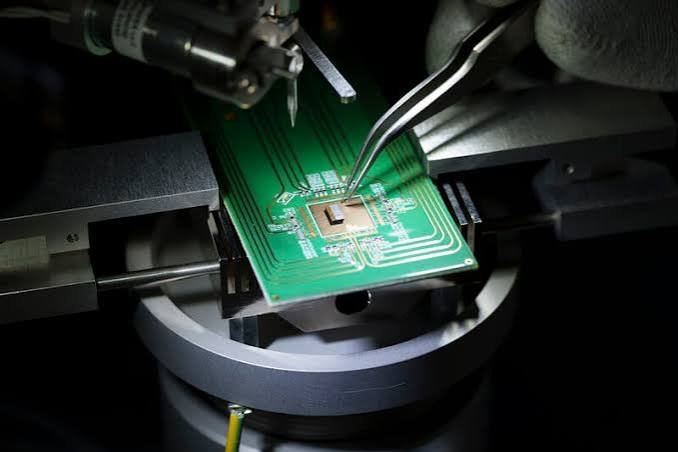
Thermal interface materials are used to improve heat transfer between heat-generating components and cooling systems, helping to prevent overheating and extend the operational life of electronic products.
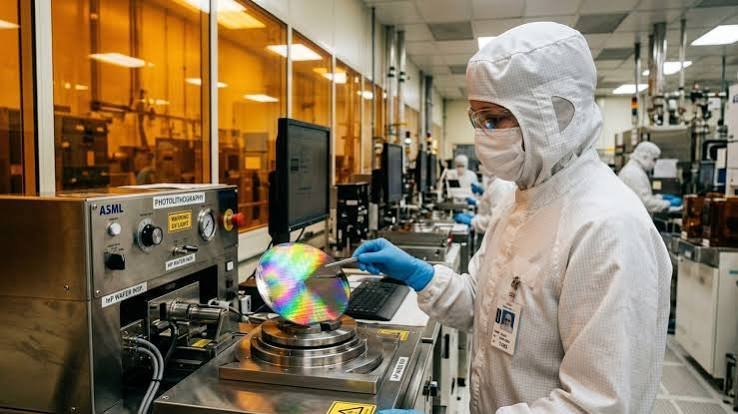
The continued growth of semiconductor manufacturing, the rapid adoption of electric vehicles, and increasing investment in artificial intelligence infrastructure and hyperscale data centres are expected to remain the primary drivers of market demand. Manufacturers are also developing new materials with improved thermal conductivity, easier processing and greater long-term stability to meet the performance requirements of next-generation electronic systems.
Electronics and semiconductor applications are expected to remain the largest end-use segment, accounting for 52.4% of the global market in 2026. Modern processors, graphics processors, artificial intelligence accelerators, memory devices and power semiconductors generate substantial amounts of heat, making effective thermal management a critical element of system design.
The automotive sector is also expected to contribute significantly to market growth, particularly as electric vehicles require reliable thermal management for battery packs, power electronics, charging systems and electronic control units. Industrial automation equipment and telecommunications infrastructure are likewise driving demand as manufacturers deploy increasingly sophisticated power electronics.
Among material types, thermal pads are projected to hold the largest market share at 38.6%. Their ability to provide consistent thermal contact, mechanical flexibility and simplified assembly makes them well suited to high-volume electronics manufacturing. Thermal pastes continue to be widely used in high-performance computing systems where maximum heat transfer is required, while phase change materials are gaining traction in applications exposed to repeated thermal cycling.
The report notes that ongoing advances in semiconductor technology, consumer electronics and cloud computing continue to push thermal management requirements higher. As processors become more powerful and packaging technologies more complex, manufacturers are seeking thermal interface materials capable of supporting higher power densities while maintaining long-term reliability.
Despite favourable growth prospects, the industry continues to face challenges including fluctuating raw material costs, limited availability of specialised fillers and stringent qualification requirements for advanced thermal management products. Supply chain resilience and manufacturing costs remain important considerations for both suppliers and customers.
To address these challenges, material manufacturers are investing in new formulations, automated dispensing technologies and more sustainable production methods. Many suppliers are also developing customised thermal management solutions tailored to the specific requirements of semiconductor, automotive and industrial applications.
Regionally, China is expected to record the strongest growth, with a projected CAGR of 6.8%, supported by continued expansion of semiconductor manufacturing, electronics production and electric vehicle assembly. South Korea is forecast to grow at 6.1%, benefiting from its leadership in semiconductor fabrication and advanced consumer electronics manufacturing, while Japan is expected to achieve 5.3% annual growth through demand from automotive electronics and industrial automation.
The United States is anticipated to see steady expansion driven by investment in artificial intelligence infrastructure, cloud computing, electric vehicles and domestic semiconductor production. Germany is also expected to remain an important market, supported by innovation in automotive engineering and industrial manufacturing.
Competition within the thermal interface materials industry is increasingly centred on improving thermal conductivity, manufacturing consistency, application-specific engineering and global supply capabilities. Leading suppliers continue to invest in research and development to deliver materials that support the growing performance demands of advanced semiconductor devices, electric vehicles and next-generation electronic systems.
Major companies operating in the market include Henkel, 3M, Dow, Parker Hannifin, Laird Technologies, Shin-Etsu Chemical, Momentive Performance Materials and Bergquist.