U.S. and Taiwan Announce $250 Billion Investment Agreement
Deal Expands Semiconductor, AI, and Advanced Energy Manufacturing in the United States
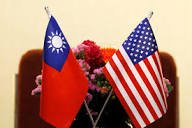
The United States and Taiwan have entered into a landmark bilateral investment agreement that will see Taiwanese companies commit at least $250 billion towards expanding semiconductor, artificial intelligence, and advanced energy manufacturing capacity in the United States over the coming years.
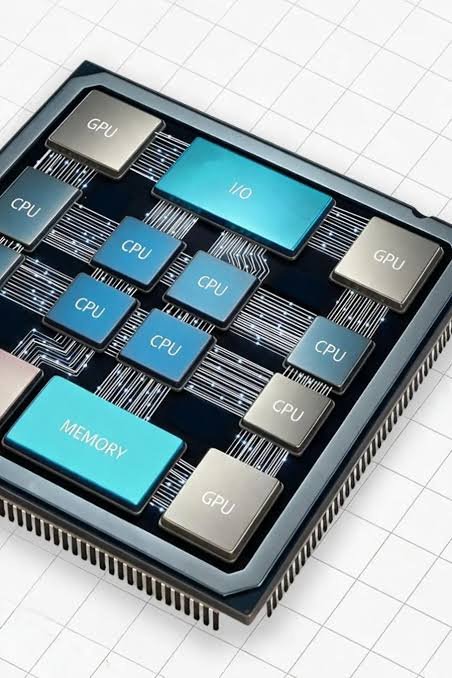
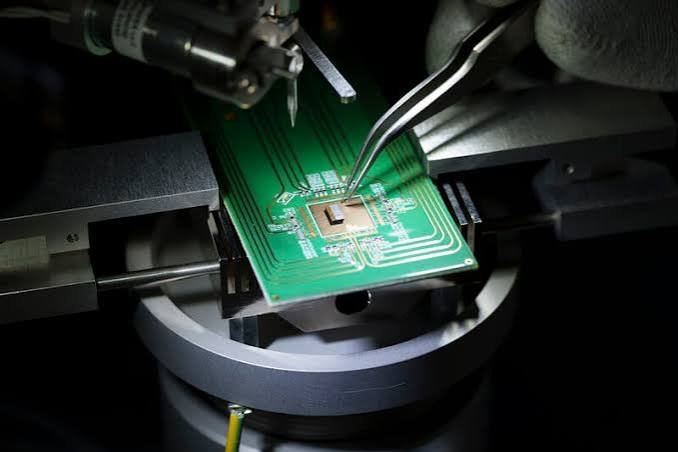
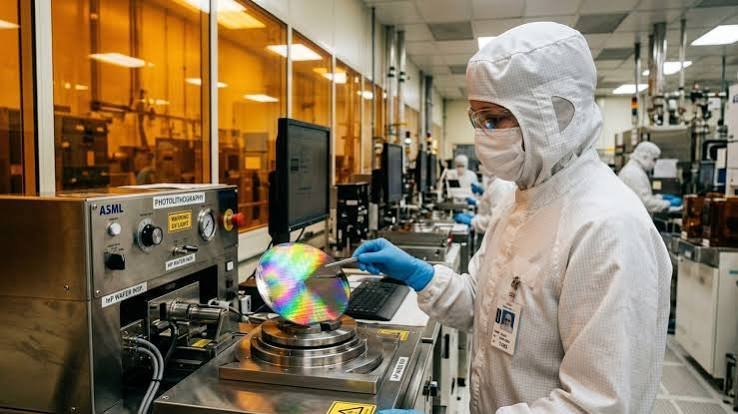
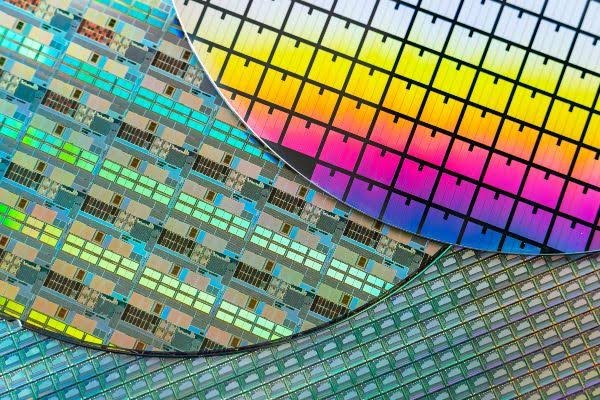
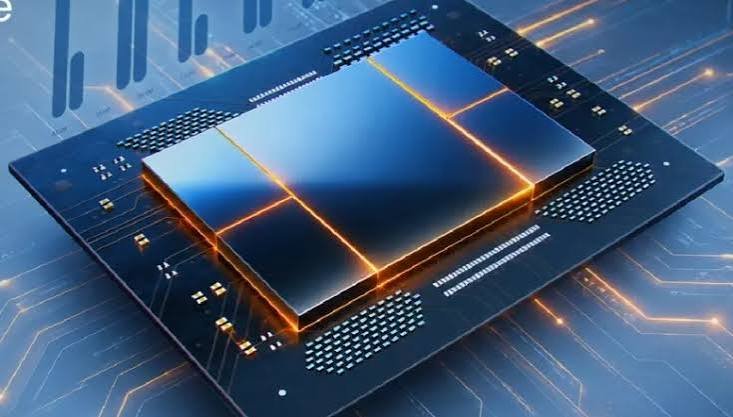
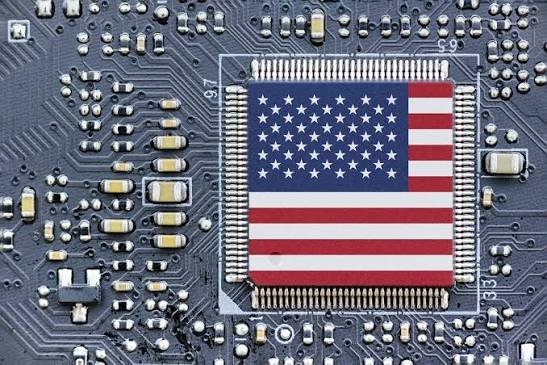
The agreement marks one of the largest cross border industrial investment commitments to date and signals a decisive step in reshaping global semiconductor supply chains. Under the pact, Taiwanese firms will significantly scale up US based fabrication, advanced packaging, and AI infrastructure projects, strengthening domestic production while reducing geopolitical and logistical risk.
As part of the arrangement, the United States has agreed to introduce targeted tariff adjustments and trade facilitation measures designed to accelerate reshoring, improve cost competitiveness, and ensure long term supply stability for critical technologies. These measures are expected to benefit not only semiconductor manufacturing but also adjacent sectors including advanced energy systems and AI compute infrastructure.
Officials from Taiwan described the agreement as a strategic commitment to deepen industrial cooperation with the United States, aligning Taiwan’s global manufacturing leadership with US priorities around technological sovereignty, national security, and economic resilience.
Industry analysts note that the scale of the investment reflects surging global demand for AI driven compute, advanced logic chips, and next generation manufacturing nodes. The deal is also expected to catalyse wider ecosystem development, including supplier networks, skilled workforce expansion, and downstream innovation across the US technology landscape.
With this agreement, the United States reinforces its position as a global hub for advanced semiconductor manufacturing, while Taiwan strengthens its role as a trusted partner in shaping the future of critical technologies. The partnership sets a new benchmark for international collaboration at a time when governments and industries worldwide are racing to secure leadership in semiconductors, artificial intelligence, and clean energy systems.