Thermo Fisher Expands Semiconductor Lab Automation With Optis FIB-SEM Installations
AI-driven endpointing and automated wafer-based workflows improve TEM sample preparation precision, consistency and traceability for advanced logic and memory chip development within the Vulcan Automated Lab.
- Automation: Optis FIB-SEM reduces operator-dependent sample preparation with automated, wafer-based workflows that give semiconductor manufacturers more consistent, traceable transmission electron microscopy (TEM) sample data.
- Precision: Critical for advanced logic and memory devices, Optis FIB-SEM supports ultra-high-precision final lamella thinning with AI-driven endpointing for high-volume applications, helping automate one of the most demanding steps in TEM sample preparation.
- Integration: Within the Vulcan™ Automated Lab, Optis FIB-SEM enables automation from wafer to TEM results, expanding our laboratory-to-fabrication (lab-to-fab) solution.
Thermo Fisher Scientific Inc., the world leader in serving science, announced that it has completed multiple installations of the Thermo Scientific Optis™ focused ion beam-scanning electron microscope (FIB-SEM). As semiconductor manufacturers develop increasingly complex chips that power everything from smart devices to healthcare technologies, they need faster, more accurate and consistent data to drive innovation. The system combines automated sample preparation, robotics and AI-enabled tools to streamline laboratory workflows, helping chipmakers generate high-quality data sooner and make more informed development decisions.
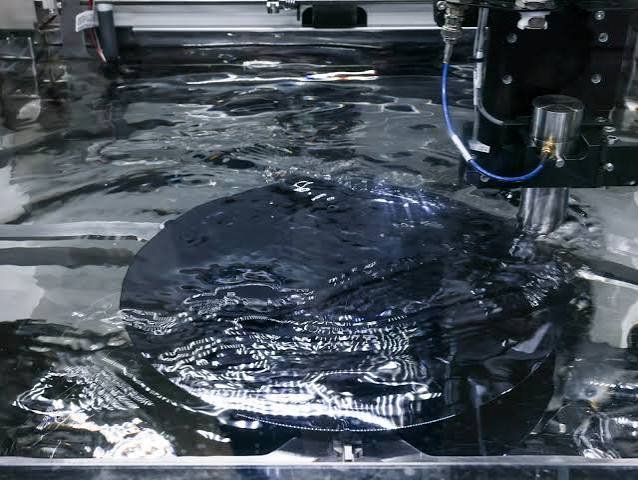
Optis FIB-SEM is part of an automated process for preparing samples imaged with a transmission electron microscope (TEM). It prepares samples directly from a wafer, helping semiconductor manufacturers get useful data sooner with greater confidence. Customers tested the system in the field over several months, and their feedback led to system improvements. Optis has now earned significant industry adoption with leading chipmakers.
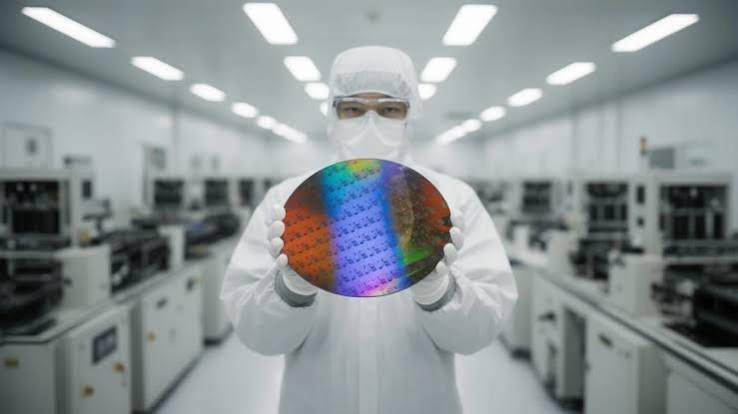
As chips become smaller and their designs more complex, manufacturers need precise measurements from wafers earlier in research and development (R&D). Optis FIB-SEM automates the handling of wafers and sample grids, the preparation steps and the flow of information between them. This helps laboratories and manufacturing facilities prepare TEM samples with fewer manual steps, clearer records of each sample and more predictable operation.
“Semiconductor manufacturers are producing extraordinarily complex devices to meet the demands of modern technology, which means they need faster process learning, higher throughput and more consistent, high-quality data,” said Mohan Iyer, vice president and general manager, semiconductor, Thermo Fisher Scientific. “Optis FIB-SEM is built for the next era of device scaling, and it continues our commitment to bringing metrology and failure analysis innovation to our customers. Within the Vulcan Automated Lab, it extends automation across the production workflow, from wafer to answer.”
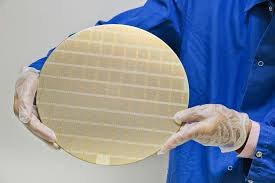
Existing lab methods require technicians to break a wafer into pieces, track samples by hand and perform the final preparation manually. These steps take time, can increase the risk of damaging or wasting material, make samples harder to trace and can lead to different results depending on the operator. Optis FIB-SEM keeps sample preparation within the wafer workflow and automates final thinning, one of the most challenging steps in preparing a thin sample for TEM. This helps teams working on advanced logic and memory chips prepare thin samples with the area of interest accurately centered, with less manual work.
Thermo Fisher has extensive experience developing wafer-based focused ion beam-scanning electron microscopy systems, supporting them around the world and helping customers optimize them. This experience, along with its global installations and service support, gives customers added confidence as they adopt an automated wafer-based process. Optis FIB-SEM is designed to make wafer-based TEM sample preparation more consistent across operators with varying levels of experience.