India Advances Semiconductor Ecosystem as SEMICON India 2026 Highlights Scale, Talent and Global Partnerships
Ashwini Vaishnaw outlines Semicon 2.0 priorities, while new collaborations across manufacturing, advanced packaging, materials, R&D and workforce development strengthen India's ambition to become a trusted global semiconductor partner.
India is moving towards the next phase of its semiconductor ambitions, with the second day of SEMICON India 2026 highlighting progress across chip design, manufacturing, advanced packaging, materials, research and development, supply chains and talent.
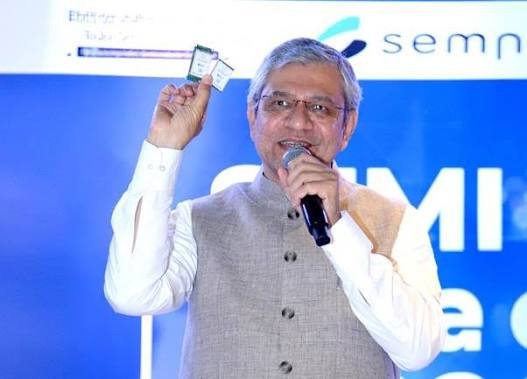
Speaking during a fireside conversation, Ashwini Vaishnaw, Union Minister for Electronics & Information Technology, Railways, and Information & Broadcasting, said India's semiconductor programme has moved beyond establishing intent and is now focused on executing projects at scale. He outlined Semicon 2.0, which builds on the foundation created through the first phase of the India Semiconductor Mission (ISM).
According to Ashwini Vaishnaw, Semicon 2.0 is structured around six key areas: semiconductor design; machines and materials; establishing additional fabs; strengthening ATMP and OSAT capabilities; R&D; and talent development. He said the first phase of the programme, initially planned as a six-year initiative, had achieved its objectives within four years.
India Targets 200 Chip Design Companies
Chip design is expected to remain a major component of India's semiconductor strategy. Ashwini Vaishnaw said the country could see at least 200 chip design companies emerge under Semicon 2.0, strengthening the domestic semiconductor intellectual property base.
More than 105 chip design startups have already gained access to advanced Electronic Design Automation (EDA) tools, while around 20 startups have secured venture capital funding. India has also trained approximately 70,000 chip-design engineers over the past four years, against a target of 85,000.
The Minister also pointed to the transition from semiconductor design services towards a “Product Nation”, with Indian-designed chips increasingly finding their way into finished products.
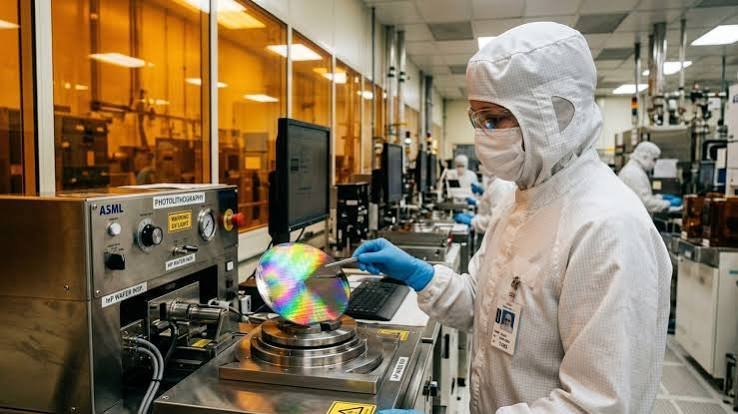
Five of the 12 semiconductor plants approved under ISM 1.0 have now begun commercial production, marking a shift from project announcements towards operational manufacturing.
25 Semiconductor Collaborations Announced
The second day of SEMICON India 2026 also saw 25 MoUs, announcements and strategic collaborations covering a broad section of the semiconductor value chain.
The initiatives include projects involving semiconductor materials, manufacturing, power electronics, advanced packaging, logistics, chip design, deep-tech investment and workforce development.
The developments are intended to increase domestic capabilities while strengthening India's integration with international semiconductor supply chains.
Focus on Resilient Supply Chains
Foreign Secretary Vikram Misri highlighted the importance of international partnerships in creating resilient semiconductor supply chains.
He identified reliability, credibility, incentives and value creation as important foundations for international cooperation, while emphasising that India's approach to self-reliance should combine domestic capabilities with global expertise.
A dedicated Supply Chain 360 panel examined ways to localise critical inputs and strengthen supply resilience.
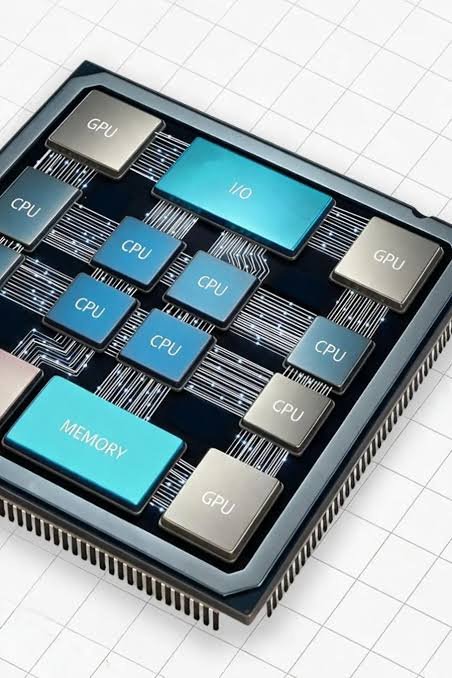
Ruchir Dixit of Siemens EDA highlighted the need to address rapidly increasing AI compute requirements through advanced architectures, 3D ICs, advanced packaging and chip-system co-design.
Meanwhile, Nivruti Rai, MD and CEO of Invest India, highlighted major opportunities in memory, High Bandwidth Memory (HBM), fabs, advanced packaging, materials, chiplets and heterogeneous integration.
She said India could combine its engineering talent and growing domestic demand with international technology, capital and manufacturing capabilities.
R&D and Commercialisation Gain Importance
Research and development emerged as another major priority, with industry and government participants stressing the importance of developing indigenous intellectual property and converting research into commercial technologies.
The R&D discussions focused on strengthening India's ability to develop semiconductor technologies domestically while creating pathways for their commercialisation.
State-level initiatives from Assam, Odisha, Gujarat and Karnataka were also highlighted, particularly in areas such as investment incentives, infrastructure, ease of doing business and industry-linked skills development.
India Deepens Global Semiconductor Partnerships
International cooperation featured prominently through country roundtables involving Singapore, Europe and South Korea.
The India-Singapore roundtable brought together 142 participants to discuss opportunities spanning semiconductor equipment and materials, advanced packaging, R&D, testing, investment and talent.
The India-Europe session, with 139 participants, explored cooperation in manufacturing, equipment, materials, semiconductor design, advanced packaging and research. Particular attention was given to emerging opportunities in 2.5D and 3D packaging, chiplets and heterogeneous integration.
The India-South Korea roundtable, attended by 115 participants, examined opportunities across manufacturing, technology, materials, advanced packaging, investment and supply chains.
These discussions reflect the complementary strengths of India's engineering talent and expanding market with the established manufacturing and technology capabilities of major semiconductor economies.
Building the Semiconductor Workforce
Talent development also remained a central theme throughout the event, with sessions examining the skills required across chip design, fabrication, packaging, equipment engineering, quality and supply-chain operations.
The Women in Manufacturing sessions highlighted opportunities for greater participation by women across semiconductor manufacturing, equipment engineering, packaging, automation, quality and plant leadership.
Industry-academia collaboration and practical training were identified as important components of building an industry-ready workforce.
India Looks Beyond Chips Towards Complete Systems
The second day of SEMICON India 2026 reinforced India's ambition to develop capabilities across the semiconductor value chain, rather than concentrating solely on chip fabrication.
From research and semiconductor IP to design, materials, equipment, fabs, advanced packaging, products and talent, the programme is increasingly focused on creating an integrated ecosystem.
Around 16,000 participants attended the second day, reflecting the scale of industry, research and international engagement surrounding India's semiconductor push. With domestic investment, indigenous product development and international partnerships advancing in parallel, India is seeking to strengthen its role in the global semiconductor ecosystem.