Tata Electronics Bets on Mature Semiconductor Nodes to Build India's First Commercial Chip Fab
Dholera wafer fabrication plant will begin with 90nm and 55nm semiconductor manufacturing, supporting India's chip self-reliance strategy before advancing to 28nm technology.
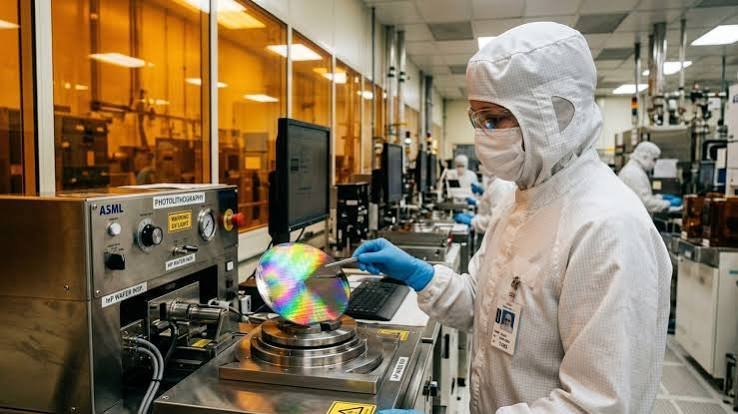
Tata Electronics is focusing on mature semiconductor process technologies as it prepares to establish India's first commercial wafer fabrication facility, adopting a phased approach aimed at building a sustainable domestic chip manufacturing ecosystem rather than competing immediately in leading-edge production.
The company's fabrication plant at Dholera, Gujarat, will initially manufacture chips using 90-nanometre and 55-nanometre process technologies, which are widely used in automotive electronics, industrial equipment, power management integrated circuits, display drivers and a broad range of embedded applications. Industry experts note that these mature nodes continue to account for a significant share of global semiconductor demand due to their proven reliability, lower production costs and long product lifecycles.
Rather than pursuing the most advanced manufacturing nodes from the outset, Tata Electronics is adopting a strategy that reduces technical complexity while allowing India to develop the manufacturing expertise, supplier ecosystem and skilled workforce required for a competitive semiconductor industry. The company plans to introduce more advanced process technologies, including 28-nanometre production, once the facility reaches operational maturity.
The approach aligns with the Indian government's broader semiconductor strategy, which aims to create an integrated domestic value chain covering chip fabrication, assembly, testing, packaging, materials, equipment and design capabilities. Recent policy initiatives, including the approval of the India Semiconductor Mission 2.0, are intended to strengthen these capabilities and attract further investment across the semiconductor supply chain.
The Dholera fabrication plant is being developed in partnership with Taiwan's Powerchip Semiconductor Manufacturing Corporation (PSMC), enabling Tata Electronics to access established manufacturing technologies and operational expertise while building local production capabilities. The project is expected to support India's growing demand for semiconductors used in electric vehicles, telecommunications, industrial automation, consumer electronics and digital infrastructure.
As global demand for semiconductors continues to expand, Tata Electronics' focus on mature-node manufacturing is expected to provide a practical foundation for India's long-term ambitions in chip production. By establishing commercial manufacturing capabilities in widely used process technologies, the company aims to strengthen the country's semiconductor ecosystem while reducing dependence on imported chips and creating opportunities for future technological advancement.