India Approves $14.8 Billion Semiconductor Mission 2.0 to Expand Domestic Chip Ecosystem
The next phase of the national semiconductor programme broadens support across manufacturing, chip design, equipment, materials and research to strengthen India's role in the global semiconductor supply chain.
The Union Cabinet has approved the India Semiconductor Mission (ISM) 2.0, allocating ₹1.27 lakh crore ($14.8 Billion) to accelerate the country's semiconductor manufacturing ambitions and strengthen its position in the global electronics supply chain. The programme represents the next phase of India's strategy to build a comprehensive semiconductor ecosystem, spanning chip design, manufacturing, equipment, materials and advanced packaging.
Building on the progress made under the first phase of the India Semiconductor Mission, the new initiative introduces a six-pillar roadmap aimed at expanding domestic manufacturing capabilities, encouraging investment across the semiconductor value chain and developing supporting infrastructure. The government expects the programme to reduce India's reliance on imported semiconductors while attracting greater participation from global technology companies.
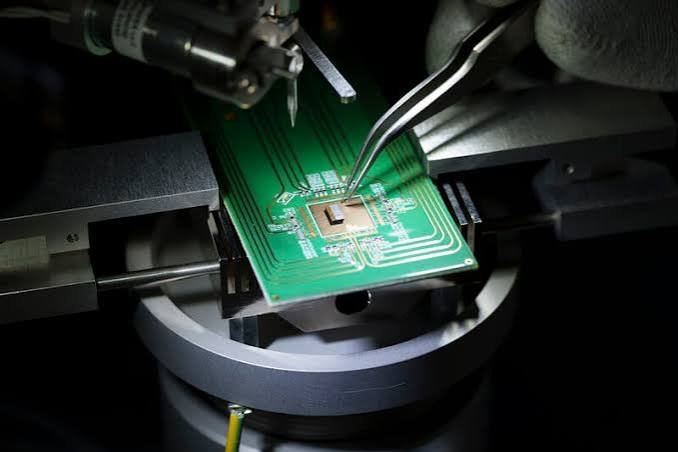
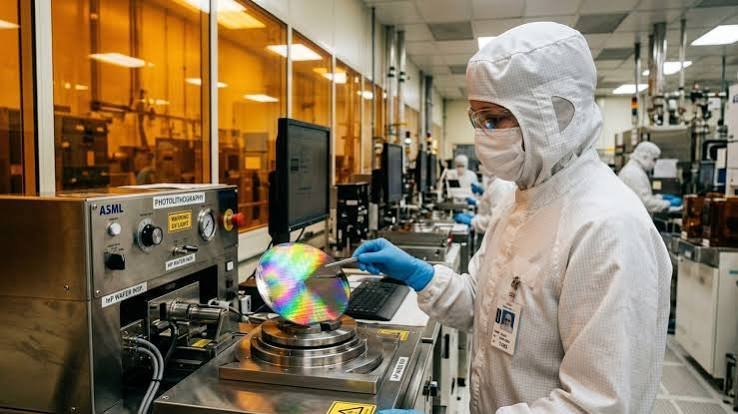
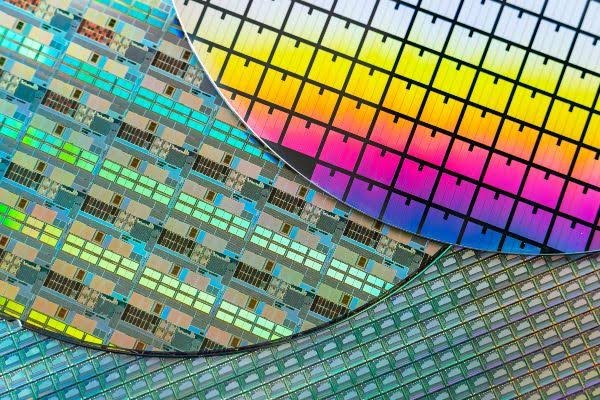
The mission will extend support beyond wafer fabrication to include semiconductor equipment manufacturing, speciality materials, indigenous chip design, research and development, talent development and supply chain localisation. The broader scope is intended to create a more resilient semiconductor ecosystem capable of supporting long-term growth in the electronics and digital economy.
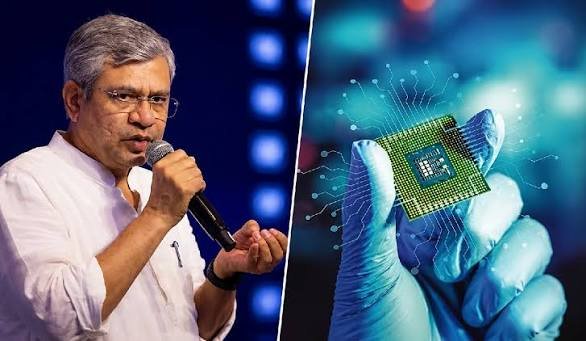
According to Electronics and Information Technology Minister Ashwini Vaishnaw, the approval follows significant progress under the original semiconductor programme, with several manufacturing and packaging projects already approved and multiple facilities entering commercial production. The government believes the expanded mission will further accelerate investment in advanced semiconductor technologies while generating skilled employment and fostering innovation across the sector.
The approval of ISM 2.0 forms part of the government's wider manufacturing strategy to position India as a global hub for electronics production. Alongside the semiconductor initiative, the Cabinet also approved a new Mobile Phone Manufacturing Scheme to strengthen the country's electronics manufacturing capabilities and support export-led growth.
Through the enhanced semiconductor mission, India aims to build a globally competitive chip ecosystem by encouraging collaboration between industry, academia and research institutions while creating opportunities across semiconductor manufacturing, design, packaging and associated technologies.