India Emerges as Strategic Growth Hub in Expanding Global Semiconductor Industry
Rising AI-driven chip demand and supply-chain diversification efforts are positioning India as an increasingly important player in the global semiconductor value chain, with ambitions to build a US$150 billion ecosystem by 2035.
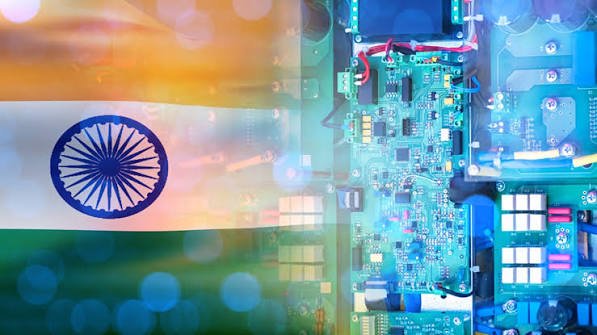
India is increasingly being viewed as a strategically important player in the future of the global semiconductor industry, as demand for advanced chips accelerates amid the rapid adoption of artificial intelligence technologies.
Taiwan Semiconductor Manufacturing Company (TSMC), the world's largest contract chipmaker, believes the semiconductor sector could surpass US$1.5 trillion in value by the end of the decade, driven primarily by growth in AI, high-performance computing and data-centre infrastructure. Against this backdrop, India is emerging as a key market and potential contributor to the industry's expanding value chain.
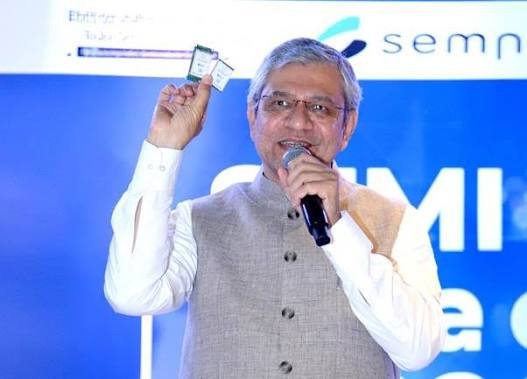
While India remains at an early stage of semiconductor manufacturing development compared with established hubs such as Taiwan, South Korea and the United States, the country has made significant progress in building the foundations of a domestic chip ecosystem. Government-backed initiatives, including the India Semiconductor Mission and the recently announced ISM 2.0 programme, are designed to strengthen local capabilities across design, manufacturing, packaging and testing.
Industry stakeholders increasingly view India as an important component of global supply-chain diversification efforts. As geopolitical tensions and capacity constraints encourage companies to reduce concentration risks, countries are seeking to establish alternative manufacturing and assembly locations to improve resilience within the semiconductor ecosystem.
India's advantages extend beyond manufacturing ambitions. The country already hosts a substantial semiconductor design workforce and is home to numerous engineering centres operated by leading global technology companies. This talent base is expected to play a critical role as semiconductor companies expand research, development and product engineering activities linked to AI and next-generation computing platforms.
Recent policy measures have further reinforced India's long-term objectives. According to NITI Aayog's semiconductor roadmap, the country aims to establish a semiconductor value chain worth between US$120 billion and US$150 billion by 2035, positioning itself as a significant participant in the global chip industry rather than solely a consumer market.
As AI continues to drive unprecedented demand for advanced semiconductors, industry leaders are increasingly recognising India's potential role in supporting future growth. Although substantial investment and ecosystem development remain necessary, the country is gradually strengthening its position within a semiconductor landscape that is becoming more geographically diversified and strategically important.