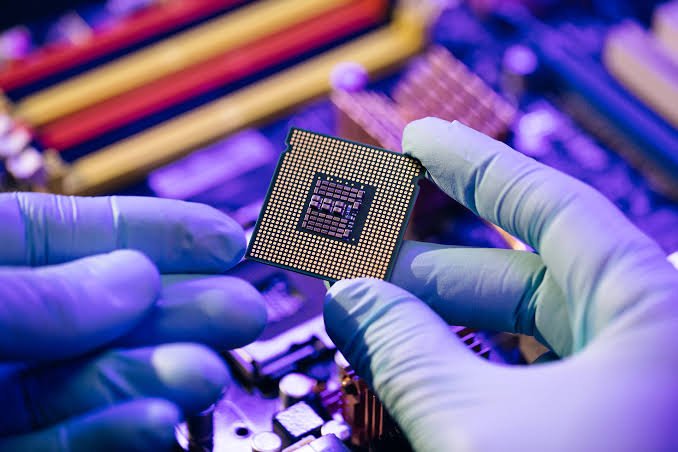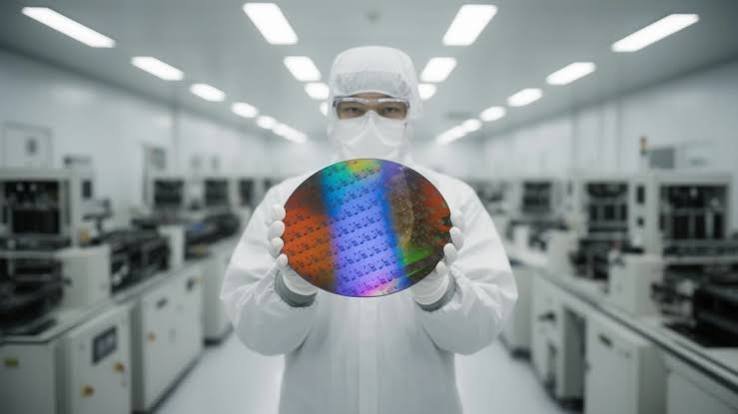
China is accelerating efforts to reduce dependence on imported high end artificial intelligence processors, with leading technology companies and research institutions reassessing the use of Nvidia’s H200 chips in favour of locally developed solutions.
This transition reflects a wider national push to strengthen technological self reliance, particularly in critical areas such as advanced computing and artificial intelligence. Uncertainty around long term supply access and policy constraints has encouraged Chinese organisations to diversify hardware strategies and prioritise domestic chip ecosystems.
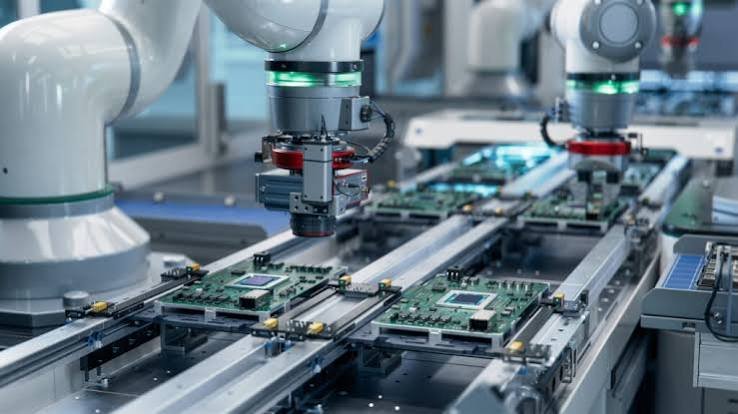
Homegrown AI processors are now being tested and deployed across data centres, cloud platforms and research environments, supported by increased investment in design capabilities and manufacturing scale. While performance parity remains a work in progress, adoption momentum is building as software stacks and models are optimised for local architectures.
For global semiconductor markets, the shift could influence demand patterns and procurement decisions, particularly for suppliers historically dependent on Chinese customers. Analysts note that changes in purchasing behaviour at this scale have the potential to affect pricing, capacity planning and competitive positioning worldwide.
China’s move away from imported flagship AI chips highlights how strategic considerations are reshaping the technology landscape, with artificial intelligence hardware increasingly viewed not only as a commercial asset, but as a pillar of national capability and long term resilience.