SIA Backs Bipartisan Bill to Extend US Semiconductor Investment Tax Credit by Five Years
The proposed legislation would extend the 35% advanced manufacturing investment credit beyond 2026, as the US semiconductor industry seeks continued support for chip fabrication, equipment and advanced packaging investments.
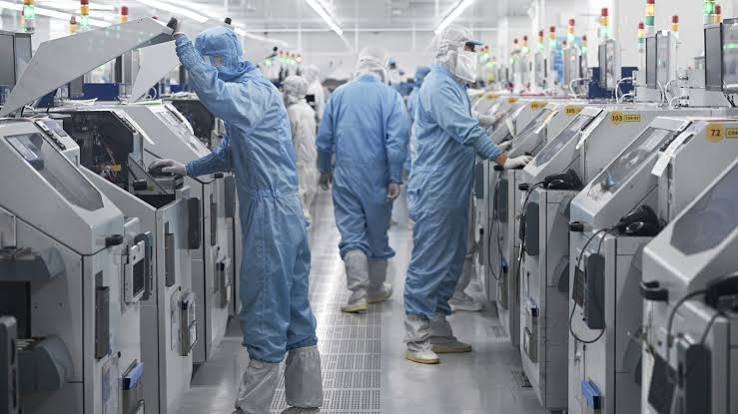
The Semiconductor Industry Association (SIA) has welcomed bipartisan legislation introduced by US Senators John Cornyn and Mark Kelly to extend the Advanced Manufacturing Investment Credit (AMIC) for another five years. The proposal, introduced on 20 November 2026 as Senate Bill S.5809, seeks to retain a federal tax incentive for semiconductor manufacturing investments that is scheduled to expire at the end of 2026. Established under the CHIPS and Science Act of 2022, the credit currently covers 35% of qualifying investment in advanced semiconductor manufacturing facilities. The proposed extension is intended to provide greater certainty for companies planning new fabrication plants, equipment installations and manufacturing capacity in the United States.
According to SIA, semiconductor companies have announced more than $825 billion in private investment across over 160 projects in 30 US states, with the projects expected to create or support more than 525,000 jobs. The announced investments cover leading-edge logic, memory, mature-node semiconductor manufacturing, equipment and advanced packaging. Michael Robbins, President and Chief Executive Officer of SIA, said the investment credit has contributed to the expansion of domestic semiconductor manufacturing and remains important for attracting future projects. He urged Congress to consider the extension before the end of 2026, noting that semiconductor facilities require substantial capital commitments and several years of planning before production can begin.
The legislation comes as the United States seeks to attract additional semiconductor manufacturing investment amid competition from established production centres in Taiwan, South Korea, Japan and mainland China. Extending the credit could influence investment decisions by both American and international chipmakers considering new US facilities. For equipment suppliers, materials manufacturers and advanced packaging companies, continued tax support could also affect the timing and scale of future projects. However, the proposed extension has not yet become law and will require congressional approval. Its impact will depend on whether the incentive is extended and how semiconductor companies respond when planning their next round of manufacturing investments.