Infineon, SOLUM Partner on HVDC Power Solutions for AI Data Centres
The German and South Korean companies will combine Si, SiC and GaN power technologies with server power design expertise to develop converters, battery backup systems and power supplies for AI infrastructure.
German semiconductor manufacturer Infineon Technologies and South Korea's SOLUM have signed a memorandum of understanding (MoU) to expand their collaboration on high-voltage direct current (HVDC) power solutions for artificial intelligence data centres.
Announced on 5 November 2026, the agreement builds on an existing technical relationship between the companies and will focus on three areas of power infrastructure: intermediate bus converters (IBCs), battery backup units (BBUs) and power supply units (PSUs).
The partnership brings together Infineon's power semiconductor technologies and SOLUM's experience in server power systems, module design and manufacturing.
Both companies plan to examine how HVDC power architectures can support the increasing electricity requirements of AI servers and high-performance computing infrastructure.
Companies Target Higher Power Efficiency in AI Data Centres
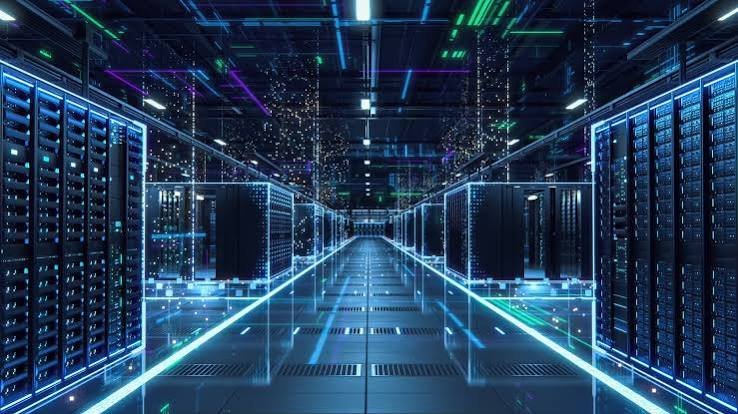
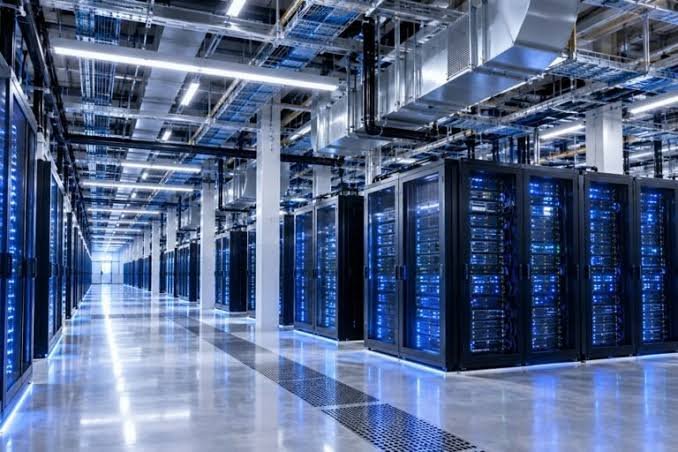
AI data centres require substantial amounts of electricity to operate processors, memory, networking equipment and cooling systems.
As computing capacity increases, operators face greater pressure to improve energy efficiency, manage heat and maintain reliable power delivery across server installations.
Traditional data centre power systems often involve several stages of electrical conversion before electricity reaches computing equipment. Energy losses at each stage can increase operating costs and cooling requirements.
HVDC power distribution is being considered as an alternative for future data centre installations because it can reduce the number of conversion stages and improve the efficiency of electricity delivery.
Infineon and SOLUM intend to develop power solutions that address these requirements while supporting higher power densities and dependable operation.
The companies will examine suitable technologies and system designs for different parts of the data centre power infrastructure.
Infineon to Supply Si, SiC and GaN Power Technologies
Under the agreement, Infineon will contribute its semiconductor portfolio and system design expertise to SOLUM's development programmes.
The company will work with SOLUM during the early stages of relevant projects, helping evaluate semiconductor technologies and power system configurations.
Infineon will also provide reference designs and technical support to assist with product development.
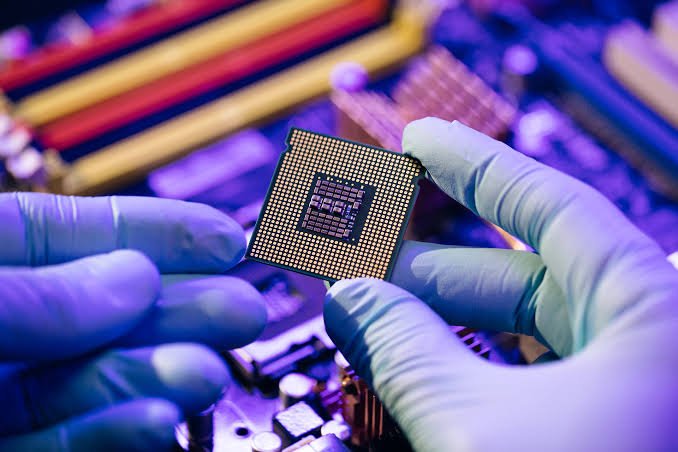
Its available technologies include silicon (Si), silicon carbide (SiC) and gallium nitride (GaN) power devices.
The portfolio covers CoolMOS and OptiMOS silicon MOSFETs, CoolSiC silicon carbide devices and CoolGaN gallium nitride semiconductors, alongside PSOC microcontrollers and sensors.
These technologies address different voltage, switching and power conversion requirements.
Silicon carbide and gallium nitride are receiving increased attention in power electronics because they can support efficient conversion at higher switching frequencies and power densities.
The companies will assess which technologies are suitable for specific power supply, backup and converter applications.
SOLUM to Contribute Server Power Design and Manufacturing
SOLUM will bring its experience in server power supplies and power module development to the partnership.
The South Korean company designs and manufactures electronic systems, including power management products used in computing and other applications.
Its role will focus on applying Infineon's semiconductor technologies within power conversion systems designed for AI infrastructure.
Adam White, Division President of Power Systems at Infineon, said rising electricity requirements in AI data centres are increasing the importance of efficient, reliable and compact power systems.
He identified South Korea as an important market for AI infrastructure development and said SOLUM's server power capabilities complement Infineon's semiconductor expertise.
Jun Sung-ho, Chief Executive Officer of SOLUM, said the increasing computing requirements of AI systems are also changing the design of the electrical infrastructure supporting them.
He said the expanded collaboration would help SOLUM develop its high-voltage power conversion capabilities and examine business opportunities in the data centre market.
Partnership Covers Three Areas of Power Infrastructure
The development programme will concentrate on three components of AI data centre power systems.
Intermediate bus converters are used to convert incoming power into voltage levels suitable for distribution to downstream circuits and computing hardware.
Improving their efficiency can help reduce energy losses and heat generation within server power architectures.
Battery backup units provide temporary power when the primary electricity supply is interrupted, helping maintain system operation or support a controlled transition to backup power.
Reliable backup systems are particularly important for AI data centres, where power interruptions can disrupt computing workloads and equipment availability.
Power supply units convert incoming electricity into the regulated power required by servers and their components.
Higher power densities and efficient conversion are becoming increasingly important as AI accelerators and computing platforms require greater electrical capacity.
Infineon and SOLUM will examine how their combined technologies can address these requirements across the three applications.
South Korea Remains an Important Market for AI Power Infrastructure
The agreement also strengthens Infineon's relationships with South Korean technology manufacturers.
South Korea has an established electronics and semiconductor manufacturing industry, with companies involved in memory production, computing equipment, power electronics and data centre infrastructure.
For Infineon, working with SOLUM provides an opportunity to extend the use of its power semiconductor products in server power systems developed by a regional manufacturing partner.
The companies intend to maintain regular technical discussions as they evaluate future HVDC power technologies and product requirements.
The announcement does not specify a financial value for the agreement, a commercial production timetable or confirmed customer orders.
The next stage will involve identifying suitable semiconductor technologies, developing reference designs and assessing potential applications for future AI data centre power systems.
For semiconductor manufacturers, the partnership reflects increasing demand for power devices capable of supporting more efficient electricity distribution in computing infrastructure.
Its commercial impact will depend on whether the companies can translate their technical cooperation into qualified products that meet the performance, reliability and cost requirements of data centre operators.