Cardiff, Swansea Partner to Develop UK Compound Semiconductor Pilot Foundry
The universities will explore shared pilot manufacturing facilities in South Wales to support semiconductor prototyping, process development and commercial production, alongside industry training and investment.
Cardiff University and Swansea University have signed a Memorandum of Understanding (MoU) to examine the development of a coordinated national compound semiconductor pilot foundry network, strengthening the UK's capabilities in semiconductor research and manufacturing.
Announced on 2 November 2026, the partnership will explore what the universities describe as the UK's first multi-institution model for industry-connected compound semiconductor pilot foundry facilities.
The proposed arrangement would bring together research expertise, semiconductor processing equipment and industrial partnerships across South Wales, allowing companies to develop, manufacture and test new devices before moving into full-scale production.
The initiative builds on the existing South Wales Compound Semiconductor Cluster, which brings together semiconductor manufacturers, equipment suppliers, universities and research organisations.
The agreement is an initial development step. The universities have not yet announced a final investment figure, construction timetable or operational launch date for the proposed facilities.
Universities Target Gap Between Research and Manufacturing
A central objective of the collaboration is to address the difficulties semiconductor developers face when moving from laboratory research to commercial production.
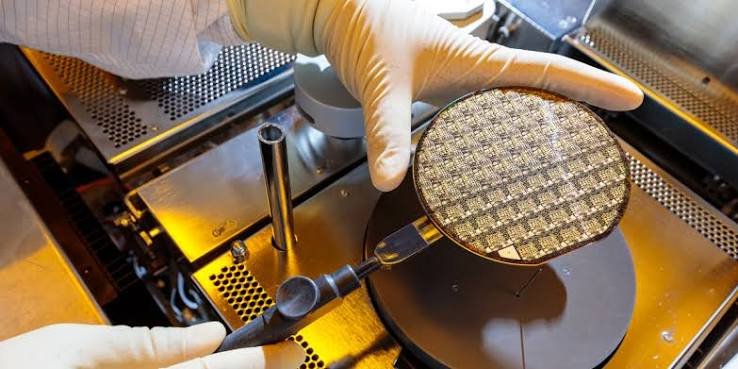
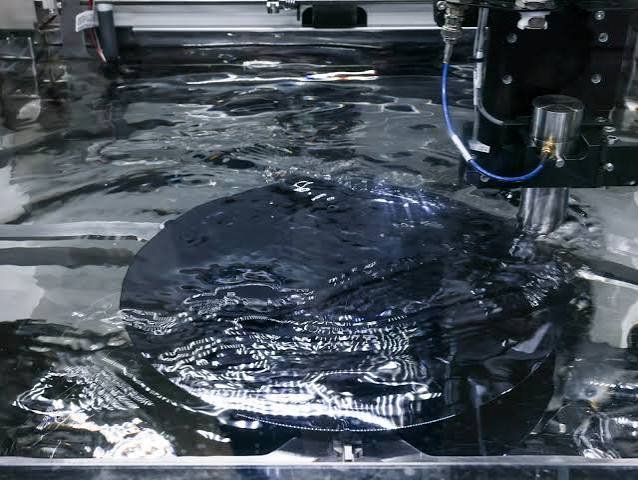
Pilot foundries provide facilities where companies can test materials, develop fabrication processes, manufacture prototype devices and evaluate performance before investing in higher-volume manufacturing.
For smaller semiconductor businesses, access to such infrastructure can reduce the cost of early-stage development and provide an opportunity to demonstrate that new technologies can be manufactured reliably.
Cardiff and Swansea intend to examine how their respective facilities and technical expertise could operate as part of a coordinated network.
The proposed model would also allow semiconductor companies to work with academic researchers and industrial partners during product development.
Rather than establishing separate research programmes, the universities aim to connect existing resources and provide a clearer route for businesses seeking access to specialist manufacturing capabilities.
South Wales Compound Semiconductor Cluster to Benefit
The partnership is expected to support the continuing development of the CSconnected semiconductor cluster, which includes companies and research organisations involved in semiconductor materials, wafer fabrication, device development and manufacturing equipment.
South Wales already has established compound semiconductor capabilities through organisations such as IQE, Vishay, KLA and the Compound Semiconductor Applications Catapult.
Cardiff University's Institute for Compound Semiconductors specialises in semiconductor materials, device development and manufacturing research.
Swansea University's Centre for Integrative Semiconductor Materials (CISM) contributes expertise in semiconductor materials, fabrication processes and applications involving advanced power devices.
The proposed collaboration could improve access to these facilities for companies seeking to develop new semiconductor products.
Howard Rupprecht, Managing Director of CSconnected Ltd, said the region already has a manufacturing base, research institutions and an established supplier network.
He identified pilot-scale production as an important requirement for companies seeking to demonstrate that new semiconductor technologies can be transferred into commercial manufacturing.
Rupprecht also said a coordinated pilot foundry network could support the cluster's participation in future European semiconductor programmes, including discussions around the proposed EU Chips Act II.
Compound Semiconductors Support Power, Communications and Defence Markets
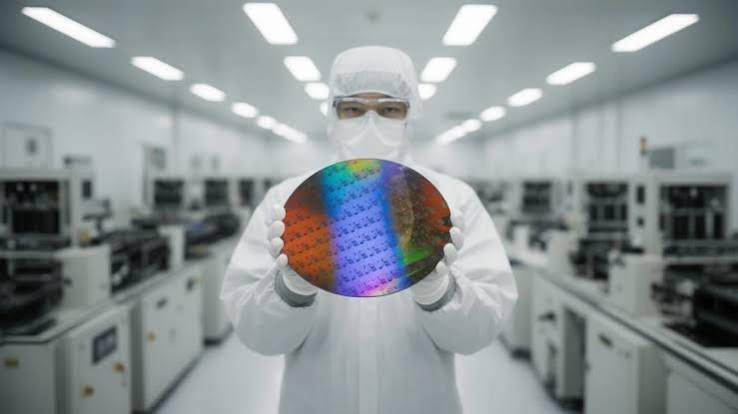
Compound semiconductors are manufactured using materials other than conventional silicon, including gallium nitride (GaN), gallium arsenide (GaAs) and silicon carbide (SiC).
These materials provide electrical and optical properties suited to applications where conventional silicon devices may face performance limitations.
They are used in power electronics, radio-frequency communications, photonics and other specialised semiconductor products.
Demand for compound semiconductor technologies is being supported by developments in electric vehicles, telecommunications infrastructure, renewable energy systems, data centres and defence electronics.
The proposed pilot foundry initiative could provide manufacturers with additional facilities to evaluate materials, refine fabrication processes and qualify new semiconductor devices.
For businesses developing specialised technologies, the availability of pilot-scale manufacturing capacity can influence both development costs and the time required to reach commercial production.
Partnership Includes Semiconductor Workforce Development
Alongside manufacturing infrastructure, Cardiff and Swansea will examine ways to strengthen semiconductor education and workforce training.
The universities intend to identify opportunities to develop engineering and technical skills required by semiconductor manufacturers and equipment suppliers.
Professor Wendy Larner, President and Vice-Chancellor of Cardiff University, said the partnership would combine the institutions' research strengths while supporting closer cooperation with industry and government.
She highlighted the importance of translating academic research into manufacturing activity, investment and skilled employment.
Professor Paul Boyle, Vice-Chancellor of Swansea University, said the agreement would allow the universities to build on their existing collaboration and contribute to the development of the Welsh semiconductor sector.
He also pointed to opportunities for businesses to make greater use of university research and technical expertise.
The workforce element is expected to support the wider South Wales semiconductor industry, where specialist skills are needed across materials development, process engineering, device fabrication and manufacturing operations.
Joint Group to Prepare Investment and Development Plans
The universities will establish a joint delivery group to develop the proposal and coordinate discussions with semiconductor companies, government bodies and other stakeholders.
The group will prepare a shared development roadmap and investment proposal for the pilot foundry initiative.
It will also examine how existing research and manufacturing facilities could be connected to support industrial projects.
Professor Sir Leszek Borysiewicz, Chair of UK Research and Innovation (UKRI), welcomed the collaboration, highlighting the value of using existing research infrastructure to support industrial development.
The proposed facilities could strengthen the UK's position in compound semiconductor manufacturing by giving companies more opportunities to evaluate new technologies before committing to larger production investments.
For international semiconductor companies, including manufacturers and suppliers across Asia, the initiative could create additional research and development partnerships in materials, power electronics, photonics and advanced semiconductor processing.
However, the commercial impact will depend on securing investment, establishing a practical operating model and ensuring that the facilities meet the requirements of semiconductor manufacturers.
The next stage will focus on developing the joint roadmap, identifying funding requirements and determining how the proposed pilot foundry capabilities can be made available to industry.