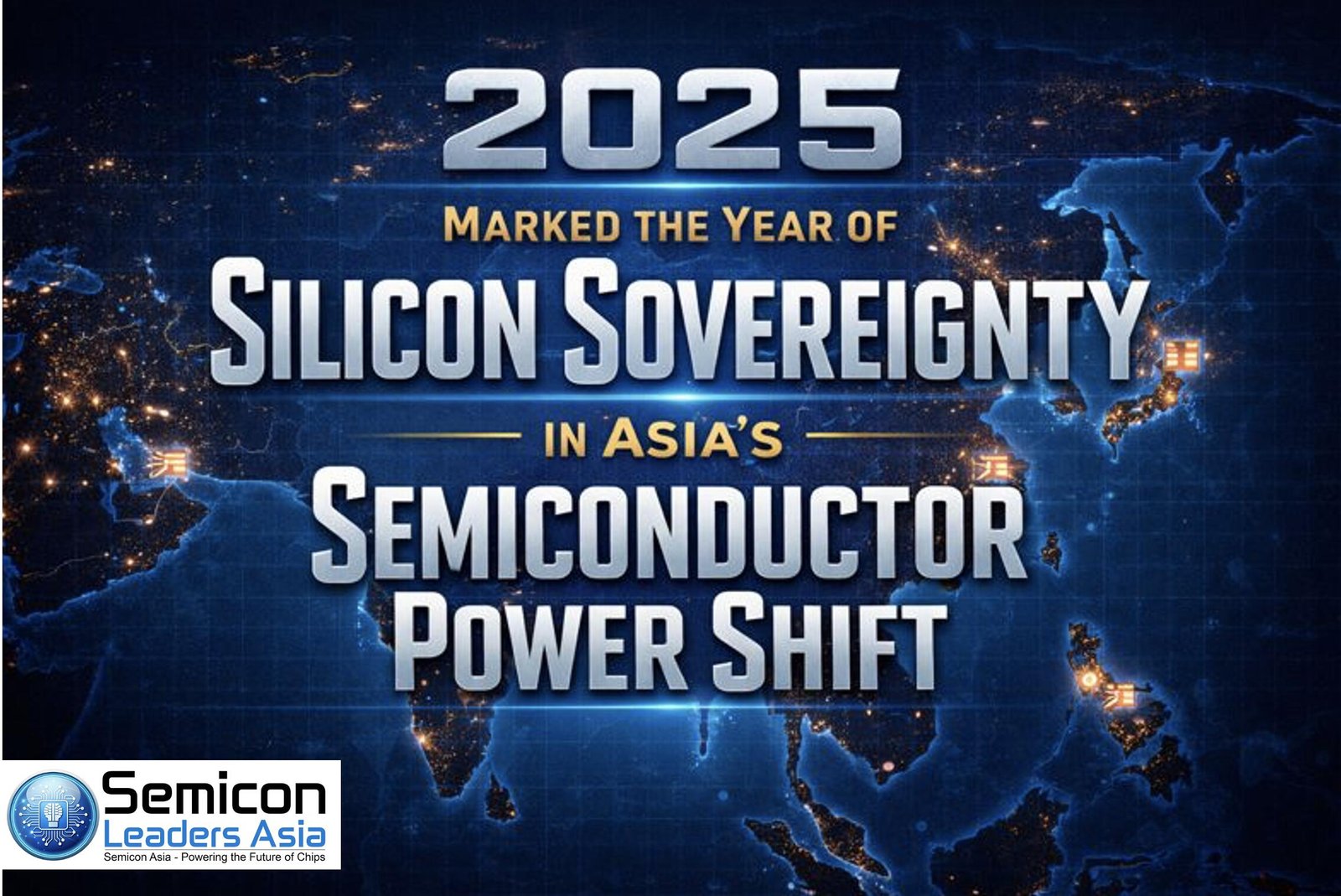
2025 Marked the Year of Silicon Sovereignty in Asia’s Semiconductor Power Shift
29 December 2025 |
Analysis
From TSMC’s new Global R&D Center in Taiwan to China’s self-reliance push and Southeast Asia’s rise, semiconductors have evolved into instruments of national power—reshaping industrial strategy, geopolitics, and supply chain control across Asia.
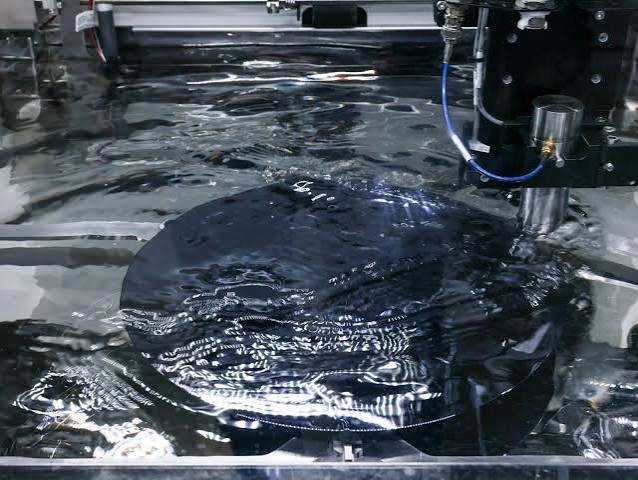
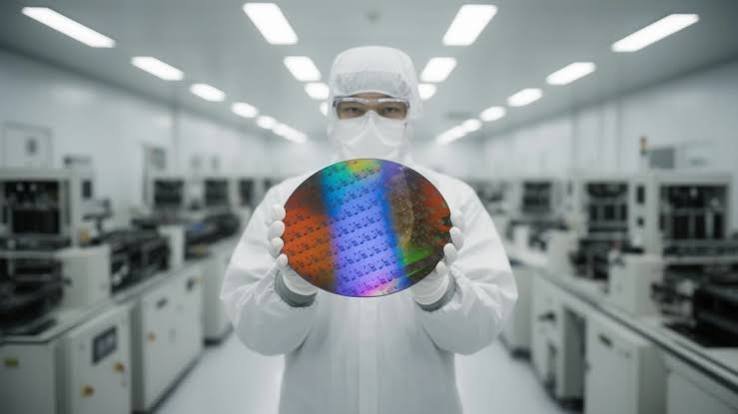
TSMC’s new Global R&D Center in Taiwan reflects Asia’s drive to maintain cutting-edge chip capabilities on home soil. Semiconductor technology has become not just an industry, but an instrument of national power.
Semiconductors in 2025 are not merely about cranking out more chips – they have become closely tied to national sovereignty and strategy. Nowhere is this shift more evident than in Asia. Over the past decade, Asian countries were the unrivaled workhorses of global chip manufacturing, relentlessly expanding fab capacity to meet world demand. Today, they are at an inflection point: moving beyond sheer volume and toward strategic control over technology and supply chains. This year’s developments underscore how Asia’s focus is pivoting from capacity expansion to “silicon sovereignty”, as governments and industry leaders seek greater autonomy in everything from cutting-edge node development to materials and equipment sourcing. In short, chips are no longer just economic products for Asia – they are seen as keys to self-reliance, security, and geopolitical leverage.
Rebounding with Innovation: Asia’s 2025 “Chip Renaissance”
After a cyclical downturn in 2023–24, Asia’s semiconductor sector roared back in 2025 with astonishing growth – a 43% surge in regional chip sales – driven largely by the explosive demand for AI technologies. By the end of 2025, the Asia-Pacific semiconductor market is projected to reach $466.5 billion, marking a definitive end to the prior “chip winter” and the dawn of an “AI spring.” This boom has been led by Asian titans who are no longer content being “mere manufacturing hubs”. Taiwan, South Korea, and Japan have stepped up as primary architects of advanced hardware that powers generative AI, machine learning, and autonomous systems. The narrative has shifted: Asia isn’t just assembling chips for others; it’s designing and mass-producing the world’s most complex chips that make cutting-edge AI possible.
Leading-edge technology milestones underscored this renaissance. In late 2025, TSMC (Taiwan) commenced volume production on the world’s first 2-nanometer (2 nm) process node, using a breakthrough Gate-All-Around transistor architecture. This “Angstrom era” technology delivers ~15% faster speeds and 30% power reduction over 3 nm chips, enabling more powerful and energy-efficient AI processors. Not to be outdone, South Korea’s memory giants pushed the envelope in AI memory: Samsung and SK hynix both ramped up production of High-Bandwidth Memory (HBM)4, critical for AI training, with SK hynix reporting that a staggering 77% of its revenue now comes from HBM products (and its 2026 capacity already fully booked). Meanwhile, the longstanding “packaging bottleneck” was solved by aggressive expansion of advanced packaging like TSMC’s Chip-on-Wafer-on-Substrate (CoWoS). TSMC tripled CoWoS capacity in 2025, allowing integration of logic and memory into single high-performance packages – a feat considered a major hurdle just a year prior.
This technical leap forward has translated into market dominance for Asia’s firms. TSMC’s foundry market share hit an estimated 70% – effectively a manufacturing monopoly at the leading edge. Its fabs are running at over 100% utilization to meet insatiable orders for Apple’s M-series chips and NVIDIA’s AI accelerators. In memory, Samsung staged a comeback to #1 in global sales by Q3 2025 with $19.4 billion revenue, buoyed by deals for next-gen game consoles and data centers. Even the semiconductor equipment sector in Asia is thriving: Japan’s Tokyo Electron logged record earnings, with over 40% of its sales now coming from AI-focused fabrication tools. This underscores a broader power shift – in the age of AI, the advantage belongs to those who can manufacture the complex chips at scale, not just those who design them. Startups and cloud giants alike found in 2025 that their biggest constraint was securing enough “wafer starts” in Asian foundries.
In short, Asia’s chip industry in 2025 combined scale with innovation. The region delivered bleeding-edge technologies (2 nm logic, HBM4 memory, 3D packaging) at high volume, confirming that Asia has moved to the forefront of semiconductor innovation – not just in production capacity, but in defining the new state-of-the-art.
Edge Leaders Protecting Home Turf: Taiwan, South Korea, and Japan
Asia’s traditional powerhouses – Taiwan, South Korea, and Japan – each took bold steps this year to secure home-grown control of critical chip capabilities, reflecting a turn toward strategic sovereignty even among allies of the West. These countries recognize that owning the leading-edge confers not only economic benefit but also bargaining power in a fraught geopolitical climate.
Taiwan, which fabricates the majority of the world’s advanced chips, enacted new measures to keep its highest technology at home. In March 2025, Taiwan’s government formalized the so-called “N-1” rule: companies like TSMC cannot transfer their most advanced process nodes to overseas fabs. In practice, this means TSMC’s new fabs in the US or Japan will always be at least one generation behind its Taiwan fabs. Officials laid out clear principles – “the latest technology must stay in Taiwan, critical IP must not leave, and national security takes priority”. By enforcing this, Taiwan ensures it remains the hub of cutting-edge chipmaking and that its crown jewel technology can’t be easily replicated abroad. Concurrently, TSMC doubled down on local investment: in 2025 alone it started building six new fabs plus a state-of-the-art packaging facility in Taiwan. The company’s 2 nm production is ramping domestically in H2 2025, and its 3 nm output is expanding ~60% this year – highlighting that even as TSMC globalizes, its most advanced capacity is still being anchored in Taiwan. This strategy not only preserves Taiwan’s “silicon shield” (the notion that the world depends on its chips) but also aligns with a broader post-globalization trend: leading tech nations want the best chips made on their own soil.
South Korea, for its part, focused on safeguarding its dominance in memory and foundry by securing supply lines and pouring capital into next-gen fabs at home. In 2025, Samsung and SK hynix weathered a volatile memory market and emerged stronger – exemplified by Samsung reclaiming the #1 memory maker spot and SK hynix’s leadership in AI memory (HBM). These wins come after deliberate moves to protect core strengths. Since a 2019 incident when Japan curbed exports of critical chip materials to Korea (like photoresists and high-purity etchants), Seoul ramped up domestic sourcing and diversification. By 2024 South Korea had slashed its dependence on Japanese photoresist imports – from over 90% in 2018 to roughly 65% in 2024 – greatly reducing vulnerability to any future export curbs. (Notably, Japan ultimately lifted those material restrictions in 2023 as diplomatic ties improved, but Korea’s lesson was learned.) Major Korean firms also unveiled huge long-term investment plans for local fabs; for example, Samsung is proceeding with a massive new chip cluster outside Seoul (a multi-decade, ~$230 billion project) aimed at both logic and memory production. This year saw Korean policymakers continue to incentivize such onshore expansion in the face of U.S.–China tech tensions. The goal is to ensure Korea’s chip prowess remains self-sustaining, with less risk from foreign bottlenecks in materials or equipment. By reinforcing domestic supply chains and keeping its fabrication roadmap aggressive, South Korea is solidifying its role as an independent powerhouse in semiconductors.
Perhaps the most remarkable comeback story is Japan. After being a dominant chip player in the 1980s and then fading, Japan in 2025 visibly rejoined the race for the cutting edge. A consortium-backed venture, Rapidus, achieved a milestone by successfully prototyping 2 nm gate-all-around transistors in July 2025. This prototype – essentially a test chip using IBM’s 2 nm technology – proved that Japan’s engineers “are back in the game.” It’s backed by an avalanche of public and private investment: the Japanese government has committed over $3.9 billion (¥590 billion) in subsidies for Rapidus’s first fab, part of a broader program exceeding ¥5 trillion (~$32 billion) to build a “Silicon Island” hub in Hokkaido. Construction of Rapidus’s state-of-the-art fab in Chitose, Hokkaido is underway with the target of volume 2 nm production by 2027, and even plans for 1.4 nm thereafter. Notably, this initiative has rallied Japan’s industrial giants: by late 2025, over 20 Japanese companies – from automakers (Toyota, Honda) to electronics firms (Sony, Fujitsu, Canon) and chemical suppliers (JSR, Ushio) – were considering investments in Rapidus. The message is that Japan views domestic fabs as strategic infrastructure. Decades after ceding the foundry lead to Taiwan and Korea, Japan is leveraging heavy government support and international partnerships (Rapidus works closely with IBM and others) to regain a measure of tech sovereignty at the leading edge. Together with its still-strong presence in semiconductor materials and equipment, Japan’s re-emergence in advanced logic foundry provides a high-tech counterweight in the region. It’s a national project aimed at ensuring Japan isn’t entirely dependent on foreign foundries for the most advanced chips – a matter of both economic resilience and national pride.
In all three of these economies, 2025 showed a common pattern: invest heavily at home, protect critical know-how, and push the frontiers of chip technology. This reflects a clear strategic shift – even allies like Taiwan, Korea, and Japan are fortifying their own semiconductor sovereignty. They are cooperating with each other and with the U.S. on some fronts, yet simultaneously making sure that the keys to their semiconductor future remain firmly in domestic hands.
China’s Self-Reliance Drive: Breaking Bottlenecks under Pressure
No discussion of strategic semiconductor moves would be complete without China, which in many ways is the catalyst for this new era of techno-nationalism. Facing unprecedented Western export controls, China doubled down in 2025 on its push for self-reliance across the chip supply chain – from fabrication to chip design tools to materials. The scale of Beijing’s commitment is enormous, underscoring that for China, achieving a degree of semiconductor sovereignty is a must-win battle.
A headline development was the launch of China’s “Big Fund III.” In May 2024, Beijing set up the third phase of its state-backed chip investment fund with ¥344 billion (≈$47.5 billion) in capital – by far its largest war chest to date. This National IC Fund (nicknamed the “Big Fund”) explicitly aims to pour billions into domestic chip manufacturing equipment and other weak links. China’s leadership views this as critical after the U.S. and allies cut off access to advanced lithography machines and other tools. The fund’s timing and size show China’s resolve: President Xi Jinping’s drive for semiconductor self-sufficiency has only intensified after successive U.S. export bans. Indeed, this heavy investment push comes amid U.S. rules (in 2023 and 2024) barring China from acquiring extreme ultraviolet (EUV) lithography and even the latest deep-UV tools from the Netherlands and Japan. In response, China is essentially writing a blank check to build homegrown alternatives. One focus is lithography, the toughest nut to crack. Shanghai Micro Electronics Equipment (SMEE), China’s primary lithography firm, announced plans to deliver its first 28 nm immersion lithography scanner by end-2023. This tool – the SSA800 – would be China’s most advanced domestic scanner, leapfrogging from SMEE’s previous 90 nm capability up to the 28 nm class. It’s intended to allow Chinese fabs to eventually produce mid-range chips without ASML machines. However, questions remain on whether SMEE can scale production of such complex tools and eventually catch up to the likes of ASML’s cutting-edge gear. Still, even a single 28 nm machine is a symbolic breakthrough, aimed at reducing dependence on foreign lithography equipment. China is likely to follow with attempts at 14 nm tools and beyond in coming years, backed by capital from Big Fund III.
On the fabrication front, China demonstrated unexpected resilience at mature- and semi-advanced nodes. Despite being cut off from EUV lithography, Semiconductor Manufacturing International Corp (SMIC) reportedly utilized creative multi-patterning techniques to achieve a “5 nm” level process in 2025. While the chips are not as cost-effective or high-yielding as TSMC’s true 5 nm (SMIC’s yields were estimated around 33%), the mere ability to make these chips at all was a statement. It builds on China’s surprise from 2023, when SMIC-produced 7 nm chips were found in Huawei’s new smartphones, indicating China had covertly advanced further than many realized. By late 2025, Huawei’s chip design arm (HiSilicon) and SMICcollaboratively kept pushing constrained technologies to keep China in the game for AI and 5G chips. Meanwhile, Chinese memory makers like YMTC (Yangtze Memory Technologies) ramped up production of NAND flash – reportedly producing 128-layer and even experimenting with 232-layer 3D NAND chips – though U.S. sanctions limited YMTC’s access to equipment for cutting-edge memory above 128 layers. In response, China is also pursuing domestic etching and deposition tools to support advanced memory fabrication.
Crucially, materials and components – often overlooked – became a battleground for self-sufficiency. In 2025, a new scare hit Chinese forums: rumors that Japan might tighten exports of photoresist to China (a critical chemical for lithography) caused alarm. Japan dominates over 70% of the global photoresist market (and a stunning 95% of EUV resists), so any curbs could cripple Chinese fabs within months. Chinese authorities and firms have been urgently investing in local photoresist development. By one report, China set a goal to produce 40% of its own photoresist needs by 2026, up from a meager ~10% localization in 2024. Some progress is visible: Chinese chemical makers like Beijing Kehua have developed 45 nm-grade resists and are improving formulations for sub-28 nm use. The government also in 2025 rolled out its first EUV photoresist testing standards and is steering funds to boost materials firms. Similarly, China is accelerating domestic EDA software (electronic design automation) and chip design tool development, after U.S. firms were barred from supplying EDA for advanced nodes. By end of 2025, numerous Chinese startups – some quietly backed by Huawei – were working on replacement EDA tools and semiconductor design IP to reduce reliance on U.S. vendors.
In short, 2025 saw China’s “tech Great Leap” in semiconductors enter a critical phase. Massive state funding, engineering improvisation, and an urgency born of sanctions have led to tangible (if still partial) gains: a $47 billion fund fueling new fabs and toolmakers, domestic chip equipment on the cusp of viability (28 nm scanners), and home-grown chips (like SMIC’s 7 nm and 5 nm trials) proving that China can advance even when cut off from the West. These efforts do not yet put China at parity with TSMC or Samsung – far from it – but they have narrowed the gap in mature technologies and created a foundation that didn’t exist a few years ago. China’s endgame is a resilient supply chain it controls: from tools and wafers to design software and fabrication, so that its tech ambitions (in AI, military, etc.) cannot be stymied by foreign embargoes. 2025 showed both the limits of sanctions (they slow but haven’t stopped China’s progress) and the lengths China will go – politically and financially – to achieve a degree of semiconductor sovereignty.
The Rise of Southeast Asia: Diversifying the Global Supply Chain
While East Asian giants grab headlines, Southeast Asia quietly had a breakout year in the semiconductor value chain. Long known for assembly and testing, countries like Malaysia, Vietnam, Thailand, and Singapore are rapidly climbing to more sophisticated roles – a shift that both bolsters their economies and adds resilience to global supply lines. In 2025, Southeast Asia firmly established itself as the industry’s crucial “second pillar,” expanding capacity and capabilities in a way that complements (and in some ways safeguards) the broader Asia-centric chip ecosystem.
According to a Hinrich Foundation report, the ASEAN-4 (Singapore, Malaysia, Vietnam, Thailand) have seen their share of global semiconductor export growth jump from 20% in 2015 to nearly 30% in 2024. In other words, these countries accounted for almost a third of the increase in global chip exports over the last decade – a remarkable rise for a region once peripheral in this industry. Southeast Asia’s chip exports are no longer limited to basic packaging; they now span analogue chips, sensors, power devices and more, with analog semiconductor shipments from the region booming (analog/power chips made in ASEAN contributed roughly half of global trade growth in this segment). This reflects how the region is “powering up” in niches like power management and automotive semiconductors.
Each country is carving out a strategic role. Malaysia and Singapore have become the twin anchors of high-value production and testing in ASEAN. Malaysia, for instance, unveiled a National Semiconductor Strategy in 2024 backed by $5.9 billion in incentives, aiming to move up from traditional outsourced assembly into advanced packaging and even some wafer fab specialization. A marquee project is Infineon’s $7 billion silicon carbide (SiC) power chip fab in Kulim – Malaysia’s first major wafer fab which will make power semiconductors for electric vehicles. Malaysia is also fostering IC design clusters (e.g. new design hubs in Penang and Cyberjaya) to capture more of the value chain. Vietnam, meanwhile, has taken a fast-follower approach by leveraging foreign partnerships to leap ahead. In 2024 Vietnam launched a national semiconductor roadmap aiming for its first fab by 2030 and 100 local chip design firms in that timeframe. Already, major investments have flowed in: Amkor opened a $1.6 billion advanced packaging facility near Hanoi, and Samsung is expanding its large semiconductor parts and packaging operations in Vietnam. These make Vietnam a growing assembly and test hub, especially for mobile and consumer electronics chips. Thailand is focusing on an ecosystem for PCBs and power discrete devices (key for automotive electronics), setting up R&D centers like a semiconductor academy at KMITL and attracting investments from Japanese firms in power electronics. Singapore, with its long-established high-tech base, continued to secure big projects in 2025 – such as a new Micron facility for advanced DRAM and HBM memory and the Vanguard-NXP fab for power chips – reinforcing Singapore’s role as ASEAN’s R&D and high-end manufacturing center.
Collectively, these efforts mean a lot more chips (especially in the mature and mid-tech nodes) are now made or finished in Southeast Asia. In fact, by some estimates Malaysia and Vietnam together account for nearly 30% of global semiconductor export volume, mainly through assembly, testing, and packaging. This dispersion has effectively created a “Silicon Shield” of geographic diversity. For the global industry, it’s a boon: supply chains are a bit less concentrated and therefore less vulnerable to a single point of failure. For example, a disruption in Taiwan (due to natural disaster or conflict) is still catastrophic, but today there is at least significant backend capacity in places like Malaysia, Vietnam, and the Philippines to carry some load for certain chips. Indeed, companies have increasingly adopted a “China+1” manufacturing strategy – investing in Southeast Asia as an alternative base – and 2025 showed those investments bearing fruit in output and export figures.
From a geopolitical standpoint, major powers are also keenly courting ASEAN nations as semiconductor partners. 2025 saw a spate of chip-focused diplomatic agreements: the United States signed Comprehensive Strategic Partnerships (CSPs) with Vietnam (2023) and Malaysia (2025) that prominently feature semiconductor cooperation. Similarly, China upgraded its partnerships with Malaysia and Thailand in 2024 to include chip development as a key area. Japan, South Korea, and India also inked new MoUs with ASEAN countries on talent training and R&D exchanges in semiconductors. This flurry of diplomacy highlights how semiconductors are now viewed as critical strategic assets – ASEAN’s growing capabilities make it a coveted partner. Notably, diversification is the operative word: ASEAN countries are open to investment from everywhere – U.S., China, Taiwan, Europe – and this multiplicity of partners has helped them scale up fast without over-reliance on any single source. The result is a somewhat more distributed semiconductor ecosystem. Southeast Asia in 2025 positioned itself not just as a low-cost assembly base, but as an essential node in the global chip supply network, contributing to its scale, diversity, and resilience.
For Asia as a whole, this is a strategic win. Having significant chip capacity in Southeast Asia adds a layer of insurance against disruptions. It also brings new talent pools and suppliers into the fold. Countries like Malaysia and Vietnam are churning out more engineers specialized in semiconductors, and local supplier industries (chemicals, precision parts, etc.) are developing around the new fabs and packaging plants. Over time, this will further entrench Asia’s dominance – because even as North America and Europe strive to build their own fabs, much of the crucial backend and support ecosystem remains anchored in Asia. In fact, as an IDTechEx analysis noted, today’s advanced chip production is deeply rooted in East Asia not only for the wafer fabrication, but also for the downstream steps like packaging, testing, and assembly – doing a fab in isolation outside that network can be uneconomical when the wafers ultimately often go back to Asia for final steps. Southeast Asia’s rise reinforces that integrated ecosystem advantage for Asia.
In summary, 2025 was the year Southeast Asia moved from the periphery to a more central, strategic position in semiconductors. By expanding capacity and climbing the value chain, ASEAN nations are not just increasing their market share but are also contributing to Asia’s collective quest for a secure and self-sufficient supply chain. The world took note that the semiconductor map of Asia now extends well beyond the traditional hubs.
New Aspirants: India’s Bid to Join the Semiconductor Club
Another Asian giant, India, made notable strides in 2025 as it seeks to establish its own semiconductor manufacturing footprint – albeit from a very modest starting point. India’s move is driven by both economic ambition and strategic calculus: with its enormous electronics demand and skilled workforce, India doesn’t want to remain merely an import consumer of chips. The year 2025 saw India translate lofty plans into concrete initial projects, marking its entry into semiconductor manufacturing and packaging as part of a long-term play for tech self-reliance.
Under the government’s flagship India Semiconductor Mission (ISM), multiple projects were approved and kicked off. By August 2025, India had 10 semiconductor projects sanctioned, totaling about ₹1.60 trillion (~US$18.2 billion) in investment commitments. These span a mix of chip fabrication and assembly/test units across different states – signaling a broad-based approach to build capacity countrywide. Notably, in May 2025 the Indian government approved a joint venture between Foxconn (Taiwan) and Vedanta’s HCL to set up a semiconductor fab near Delhi. This project (initially valued around $420 million) targets production of around 20,000 wafers/month on mature process nodes. While not cutting-edge, it’s a significant step as a first modern fab in India. In August 2025, another big milestone was the greenlighting of India’s first commercial 150mm silicon carbide (SiC) wafer fab – a plant in Odisha by a startup (SiCSem) in collaboration with a UK firm. This facility will produce SiC power semiconductors, crucial for electric vehicles and energy, with a planned output of 60k wafers per year. Alongside it, an advanced packaging and glass substrate unit by 3D Glass Solutions was also approved at the same site. Similarly, expansions were okayed for established local semiconductor firms like CDIL (to make discrete power devices in Punjab) and SPEL/ASIP in partnership with a Korean firm to build a new packaging/testing plant in Andhra Pradesh. These combined moves mean India is finally getting multiple pieces of the semiconductor puzzle on its soil: a compound semiconductor fab, an outsourced assembly and test (OSAT) facility, and small-scale silicon fabs for specialty chips.
Moreover, India recognized that design prowess is as important as manufacturing. The government extended support for domestic chip design startups and institutes, funding design infrastructure at 278 colleges and approving dozens of chip design projects in 2025. By mid-year, 23 new chip design prototypes (for applications like IoT sensors, power meters, and even microprocessors) were being developed by Indian startups and universities with government grants. Some of these had already taped-out prototypes at foreign fabs, and a few were fabricated at India’s older government-run fab in Chandigarh. This focus on design aims to cultivate an ecosystem of Indian fabless companies that could eventually partner with local fabs or just strengthen India’s presence in the global chip value chain.
While India’s semiconductor foray is nascent, 2025 demonstrated a clear political will to use policy and incentives aggressively. The ISM is offering up to 50% capital investment support for fabs, alongside tax breaks and infrastructure support. States are competing to host projects with their own sweeteners (land, power subsidies, etc.). High-profile events like SEMICON India 2025 were held to attract investors and showcase India’s commitment, with the government signaling it will continually improve the ease of doing business for tech manufacturing. Prime Minister Modi’s administration has tied semiconductor development to India’s broader “Atmanirbhar Bharat” (self-reliant India) vision, putting chips alongside defense and renewables as sectors where local capacity is vital.
Of course, India faces an uphill climb. The projects underway are mostly in the realm of older node fabs (e.g. 28 nm and above, or specialty tech like analog, SiC) and packaging – India is not attempting 5 nm or EUV fabs yet, which is prudent given the steep learning curve. The real impact of these initiatives will be seen only over the next 3–5 years as plants actually come online. However, the significance of 2025 is that India moved from talk to action. By establishing a few pilot fabs and inviting foreign partnerships (Foxconn, Micron, Tower, etc.), India is laying the groundwork to potentially become an additional chip manufacturing hub in Asiaover the long term. Even incremental success – say one operational fab and a couple of thriving packaging houses by 2026–27 – could integrate India into global supply chains and reduce its reliance on imported chips for strategic needs (like telecom, automotive, defense).
In summary, 2025 was year one of India’s semiconductor journey, marked by policy impetus translating into bricks-and-mortar projects. It reflects a broader reality: no country, especially one the size of India, wants to be left out of the semiconductor race that underpins economic and national security. For Asia, India’s entry is significant – it means the region’s semiconductor ecosystem could eventually stretch from East and Southeast Asia all the way to South Asia, further cementing Asia’s position as the center of gravity for the semiconductor world.
Securing the Supply Chain: Materials, Equipment, and Talent as Strategic Assets
As Asian nations expanded fab capacity and advanced to new tech nodes in 2025, they also confronted a crucial question: who controls the upstream inputs and know-how needed to keep those fabs running? Materials, equipment, and human talent emerged as strategic choke points that Asia is determined to secure. The year’s events underscored that true semiconductor sovereignty demands more than fabs – it requires mastery or assured access to the whole ecosystem.
Consider semiconductor materials: ultra-pure chemicals, gases, wafers, photoresists, etc., which are essential for chip production. Asia produces many of these, but there are critical gaps. A vivid example was the brewing fight over photoresists (the light-sensitive coating used in lithography). Japan dominates this niche globally, controlling ~70% of all photoresists and 95% of the high-end EUV resist supply. China’s near-total reliance on Japanese resists (and South Korea’s past dependence) make this a strategic vulnerability. In late 2025, rumors (ultimately unverified) that Japan had quietly tightened photoresist shipments to China caused panic in Chinese industry circles. Analysts noted that because high-grade resists have a short shelf-life (3–6 months) and can’t be easily stockpiled, even a brief export halt could halt Chinese fab production within weeks. This “what-if” scenario served as a wake-up call. China’s response was to accelerate plans for domestic alternatives – aiming for 40% self-produced resists by 2026 – and to prioritize materials in its funding (its national chip fund is now channeling money into photoresist startups and R&D). Elsewhere in Asia, countries are also bolstering their materials independence. South Korea, stung by Japan’s 2019 export curbs on etchants and polyimides, successfully nurtured local suppliers and worked with firms in Belgium, Taiwan, etc., to ensure it can get by with far less Japanese input. By 2025, Korean fabs are sourcing a majority of their high-purity hydrogen fluoride and other chemicals from non-Japanese producers (or domestic ones), insulating them from geopolitical spats. Japan itself, while a top supplier, isn’t complacent – Japanese chemical companies expanded overseas production (in places like Vietnam) both to secure their business and to diversify in case China retaliates in other areas. Across Asia, the message is clear: control over materials = control over production. Thus, investments in everything from 300 mm silicon wafers (where Japan, Taiwan, and China are all upping output) to new sources of rare earth elements (critical for semiconductor lasers and polishers, dominated by China) are now seen as national priorities, not just business decisions.
Similarly, semiconductor equipment – the tools that actually etch, deposit, and pattern chips – has become a focal point. The most advanced tools (like ASML’s EUV lithography machines) still come from a few Western suppliers, but Asian suppliers have a strong presence in several segments (etch, deposition, test, etc.). Japan’s Tokyo Electron and Screen, and America’s Applied Materials and Lam, all have big operations in Asia. In 2025, restrictions on equipment sales to China made equipment a hot strategic sector. China’s massive funding for domestic equipment companies (through Big Fund III) is aimed at breaking the dependency on U.S., Japanese, and Dutch toolmakers. This year saw Chinese tool firms make progress in areas like etching machines, CMP (polishing) tools, and 3D packaging machines, albeit mostly for older nodes. Elsewhere in Asia, the focus is on retaining leadership and mitigating choke points. For example, Japan and the Netherlands coordinated with the U.S. to impose controls on certain lithography and deposition tools to China in 2023, a reminder that even allied Asian nations are aligning export policies when strategic tech is at stake. On a positive note, Asian equipment makers capitalized on the AI fab boom in 2025: Tokyo Electron’s earnings hit record highs due to surging orders for AI-chip production tools, and new players like India even started looking at attracting equipment assembly and R&D (applied in small ways via partnerships with tool vendors under the ISM incentive program). The overall trend is greater regionalization: while truly autonomous equipment production (especially for leading-edge lithography) remains out of reach for most, Asia is steadily localizing more of the tooling ecosystem. Taiwanese and Korean firms started exploring collaborative development of next-gen packaging equipment, and Singapore/Malaysia, with their precision engineering sectors, saw growth in making components for tools (like precision stages and robotic handlers). Each step reduces risk of a single supplier hold-up.
And underpinning everything is the need for talent and skills. A looming shortage of semiconductor engineers and technicians is a real threat to Asia’s plans. Advanced fabs need highly specialized expertise – e.g. lithography engineers, equipment maintenance experts, EDA software developers – roles that take years to train. In 2025, multiple Asian countries launched initiatives to boost the talent pipeline. Taiwan, Japan, and South Korea rolled out new public-private training partnerships, including programs to produce “lithography-native” engineers versed in EUV physics and AI-driven chip design. Taiwan’s top universities ramped up semiconductor programs with direct TSMC input, and Japan set up a national semiconductor college as part of Rapidus’s ecosystem, aiming to train hundreds of specialists for its Hokkaido fab. Southeast Asia too is investing in workforce: SEMI (an industry association) expanded its talent development initiatives in the region, bringing “Chip on Wheels” mobile labs to campuses in Malaysia and Vietnam to spark student interest in chip engineering. India’s strategy heavily features skill development: courses on VLSI design and fabrication are being introduced across IITs and other engineering schools to create a base of skilled workers by the time fabs are operational. Despite these efforts, the demand-supply gap is a concern. The industry’s growth (especially the race to build new fabs in the U.S. and Europe too) means competition for experienced Asian talent is intense – reports in 2025 indicated significant salary hikes and incentives were needed to keep engineers from hopping between projects or leaving for overseas opportunities. This itself has become a strategic issue: retaining talent at home is part of sovereignty. For instance, TSMC has been careful in sending engineers to its overseas fabs (many go only temporarily) to avoid brain drain, and the Taiwanese government considered measures to dissuade key talent from being poached by China in particular (such as stricter enforcement of intellectual property laws and non-compete clauses).
In summary, 2025 drove home that achieving “strategic sovereignty” in semiconductors goes beyond having fabs. Asia is now actively securing the inputs – materials, equipment, people – that make those fabs productive. Each country is shoring up its weak links: China on tools and materials, Japan and Korea on diversifying supplies, Taiwan on protecting IP and talent, Southeast Asia on training and supply chain depth. While challenges remain (no one country in Asia is yet fully self-sufficient across the board), the regional ecosystem as a whole is becoming more self-reliant and interconnected, which strengthens Asia’s hand in the global semiconductor arena.
Geopolitics and Policy: Chips as Strategic Leverage
All these developments in 2025 occurred against a backdrop of intense geopolitical jockeying, as semiconductors became entwined with foreign policy and economic security strategies. Governments across Asia (and the world) treated chips as “strategic assets” and adjusted policies accordingly. This has led to a new paradigm: decisions about where to build a fab or whom to sell chips to are now influenced as much by geopolitics as by market economics.
A notable feature of 2025 was the formation of alliances and partnerships centered on semiconductors. The U.S.-led “Chip 4” coalition – involving the U.S., Japan, South Korea, and Taiwan – continued its behind-the-scenes coordination. While not a formal treaty, this grouping held dialogues to align on supply chain security and export control enforcement. For instance, Japan and the Netherlands’ export curbs on advanced lithography equipment to China (effective 2023) were partly a result of such coordination with the U.S.. South Korea, although cautious due to its trade with China, stayed largely in sync with U.S. policies, securing waivers to continue operating its China fabs at current tech levels but not pushing beyond 14 nm there. Taiwan, as noted, implemented the N-1 rule to ensure its critical tech isn’t caught in geopolitical tussles abroad. On the other side, China deepened its tech ties with friendly nations: it strengthened semiconductor cooperation with Russia (for equipment parts and chip design tools), and within Asia it reached out to countries like Malaysia, Pakistan, and the UAE with offers of investment in electronics in exchange for secure chip supply or materials access. This dynamic – a partial bifurcation of the tech world – meant Asian countries often had to walk a fine line to avoid being overly dependent on one bloc. Many, like Singapore and Vietnam, hedged by engaging with both U.S. and China on different aspects of their semiconductor programs.
Trade policies and export controls remained a double-edged sword. In 2025, the U.S. tightened some restrictions further (e.g. closing loopholes that allowed Nvidia to sell certain AI chips to China). China countered in kind where it could – for example, earlier in 2023 China imposed export licensing on gallium and germanium, two rare metals crucial for semiconductor substrates and optics, in a tit-for-tat response to U.S. actions. Since China produces ~90% of the world’s gallium, this move reminded everyone that China holds its own leverage: Japan, Korea, and others scrambled to secure alternative sources for these materials. By late 2025, Beijing was reportedly considering adding even rare earth magnets (needed in chip fabs’ motors and robotics) to its export control list if semiconductor pressures continued. These maneuvers underscored how interdependent yet adversarial the situation is – Asia’s supply chain is so dominant that any restriction by one player reverberates widely. It also reinforced Asian nations’ determination to diversify sourcing (e.g., Japan investing in rare earth projects in Australia and Vietnam to cut reliance on Chinese supply).
Another facet is domestic industrial policy being used as a tool for global positioning. We’ve discussed large subsidy programs (Japan’s ¥1 trillion+ for Rapidus, China’s Big Fund III, India’s incentives). These have a geopolitical rationale: to ensure one’s own country can stand on its feet technologically. Tax breaks, grants, and even immigration policies were tuned in 2025 with chips in mind. For example, Singapore introduced visa programs to attract foreign chip talent to its shores (knowing talent is a bottleneck), essentially using open immigration as a strategic advantage while others face shortages. The Korean government increased tax credits for semiconductor capital expenditures to the highest level ever, trying to keep Samsung’s investments flowing at home rather than abroad. Japan streamlined its regulatory approvals for chip facility construction (a typically slow process) to help Rapidus and TSMC’s joint ventures build faster, recognizing time-to-market is critical. In Taiwan, policymakers not only pushed the N-1 rule but also considered mechanisms to restrict excessive Chinese recruiting of its engineers – treating the talent pool as a national resource that shouldn’t be “exported” easily.
Additionally, export strategies emerged: countries also used their chip prowess as diplomatic tools. Taiwan, for instance, in providing cutting-edge chips to countries like the U.S (via TSMC Arizona) or Japan (via a planned TSMC Kumamoto fab) gains goodwill and security assurances – a concept often dubbed the “silicon shield.” In 2025, Japan’s prime minister explicitly framed the partnership with TSMC and the Rapidus project as part of a broader US-Japan tech cooperation to counter risks from China. Likewise, when the U.S. granted South Korean memory makers (Samsung, SK hynix) extensions to continue their China operations, it was partly to ensure China remains dependent on non-Chinese memory, indirectly keeping some leverage. And in Southeast Asia, we saw how the U.S. and China raced to sign semiconductor cooperation agreements – essentially competing to integrate those emerging hubs into their respective spheres of influence.
In summary, 2025 cemented semiconductors as a top-tier geopolitical issue. For Asia, which lies at the heart of global chip production, this has been a double-edged sword. On one hand, Asia’s importance gives it significant leverage – e.g. the world needs TSMC’s chips, Samsung’s memory, Japanese materials, Malaysian assembly, etc., which arguably increases international resolve to maintain stability in the region (Taiwan has frequently cited the global economic impact as a deterrent against conflict). On the other hand, it means Asian firms often get caught in the crossfire of tech wars – like being forced to choose markets or deal with sudden rule changes on who they can sell to. Asian governments have largely adapted by proactively crafting strategies to guard their interests, from multilateral forums (like through ASEAN or APEC tech working groups focusing on supply chain continuity) to unilateral measures (like export control lists of their own).
Ultimately, the geopolitics of chips in 2025 pushed Asia to speak with actions rather than words: building more at home, diversifying partnerships, and using policy levers to ensure that their semiconductor sector can withstand external shocks or coercion. It’s a high-stakes balancing act, but one that Asia’s leaders seem prepared to navigate as the geopolitical currents continue to shift.
Toward a Self-Sufficient Silicon Future
2025 will be remembered as the year Asia’s semiconductor narrative evolved from one of quantity to one of control. The region undeniably remains the world’s semiconductor heartland – by year’s end, Asian firms and fabs are expected to account for well over 60% of the nearly $600 billion global semiconductor market, a share that could grow as the industry marches toward $1 trillion by 2030. But beyond the impressive numbers, what stands out is how Asia repositioned itself in the face of new realities. Governments and companies in Asia are no longer content just being the biggest producers; they want to master the full supply chain and guard against vulnerabilities. The drive for strategic sovereignty is visible everywhere: in Taiwan keeping its best tech at home, in China spending billions to reinvent the wheel it can’t import, in Japan re-entering cutting-edge manufacturing, in Korea and India nurturing local substitutes and talent, and in Southeast Asia becoming an indispensable link rather than a bit player.
This inflection point – from capacity expansion to strategic sovereignty – has broad implications. For industry professionals and investors, Asia’s newfound focus on resilience may alter traditional cost calculus. Decisions are now weighed with “could this dependency become a liability?” in mind. We may see slightly higher costs or slower expansion in some cases as companies diversify suppliers or duplicate parts of the supply chain for safety. Yet, in return, the system will be more robust and less prone to disruption. For policymakers, 2025’s lesson is that supporting the semiconductor sector is tantamount to safeguarding the economy itself. We can expect continued – even intensified – government support across Asia, from education to subsidies to international diplomacy, all centered on chips. The era of laissez-faire is over; techno-industrial policy is here to stay.
The quest for sovereignty does not mean isolation. In fact, a striking outcome of this year is that intra-Asia collaboration might strengthen. There’s recognition that no single country can excel in everything. Thus, regional integration could deepen: e.g. Taiwanese fabs using Japanese materials, Korean memory leveraging Southeast Asian packaging, Indian talent contributing to multinational chip R&D – all under frameworks that ensure mutual benefit and security of supply. In many ways, Asia is creating a fortified network within itself, which could collectively be largely self-sufficient. If one node faces trouble, others can compensate. This regional solidarity was hinted at in various forums in 2025 (ASEAN summits, APEC meetings) where leaders discussed coordinating on chip standards, talent exchange, and research partnerships.
Of course, challenges loom on the horizon. The technology race is unrelenting – achieving 2 nm was huge, but the roadmap already points to 1.4 nm and even angstrom-scale processes, plus emerging paradigms like chiplet architectures and silicon photonics for beyond the traditional scaling. Asia must continue investing heavily in R&D to stay ahead of or at least abreast with global innovation. Environmental and infrastructure strains also pose questions: advanced fabs consume vast energy and ultra-pure water; as Asia builds more fabs, issues of sustainable power and water supply, and climate impact, become pressing. We saw hints of this in 2025 – for instance, TSMC and Samsung announced green initiatives to power new fabs with renewable energy, and Singapore’s new fabs are designed with 30% lower water usage. Managing growth responsibly will be part of the sovereignty narrative too (self-reliance must also reconcile with sustainability).
Perhaps the most heartening takeaway is that Asia’s moves in 2025 ultimately benefit the global semiconductor landscape. A more resilient, diversified Asian supply chain means fewer single points of failure – which is good for electronics makers and consumers everywhere. The innovations Asia achieved (like CoWoS packaging to combine memory and logic, or cheaper multi-patterning tricks to extend immersion lithography) will spread and uplift tech capabilities globally. And as Asia leads in production, it will also shape standards and best practices – from technical standards to how to ethically expand the workforce and protect IP.
In conclusion, Asia’s semiconductor inflection point marks a new chapter. The region has proven it can deliver unparalleled capacity; now it is proving it can do so on its own terms, with greater autonomy and security. The phrase “Silicon Sovereignty” is no longer an abstract slogan – in 2025, it became a defining policy and business objective across Asian capitals. For the world watching, one message is clear: the future of chips is being written in Asia’s cleanrooms and war rooms alike. As we move beyond 2025, Asia is poised not just to remain the manufacturing center of the semiconductor world, but to become its strategic center – the place where the most important decisions and innovations shaping our digital future are made. The inflection point has arrived, and Asia is firmly in the driver’s seat.
editor@semiconleadersasia.com
Disclaimer
This article is an independent editorial analysis based on publicly available information, industry reports, and market data as of 2025. The views expressed are those of the author and do not necessarily reflect the positions of Semicon Leaders Asia, its affiliates, or any referenced organizations. Forward-looking statements, projections, and policy interpretations are subject to change based on market, regulatory, and geopolitical developments.