AMD Plans $10 Billion Taiwan Investment with TSMC to Expand Advanced Chip Packaging
Lisa Su’s strategy targets advanced packaging capacity in Taiwan as AMD strengthens its position in AI chips and next-generation computing.
AMD is committing more than US$10 billion to Taiwan’s semiconductor ecosystem as it prepares for sustained growth in artificial intelligence (AI) and data-centre computing. The investment, which is expected to run through 2029, is aimed at expanding advanced packaging, semiconductor substrates and manufacturing capacity rather than being directed solely towards Taiwan Semiconductor Manufacturing Company (TSMC).
Investment Targets Taiwan’s Wider Semiconductor Ecosystem
AMD’s strategy reflects the growing importance of advanced packaging as AI processors become more complex. The company is working with TSMC and other Taiwanese suppliers to secure the manufacturing capacity required for next-generation processors and AI systems.
The investment is expected to support production of AMD’s next-generation products, including its sixth-generation EPYC server processors, known as Venice, and the Helios rack-scale AI platform. Venice processors are being developed on TSMC’s 2nm process, while Helios is designed around AMD’s latest Instinct AI accelerators.
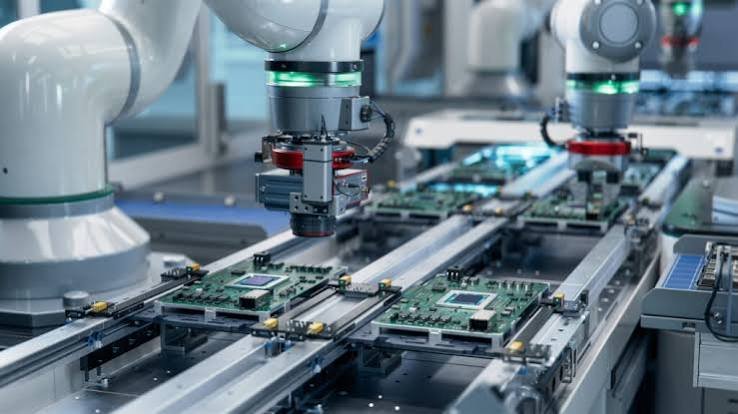
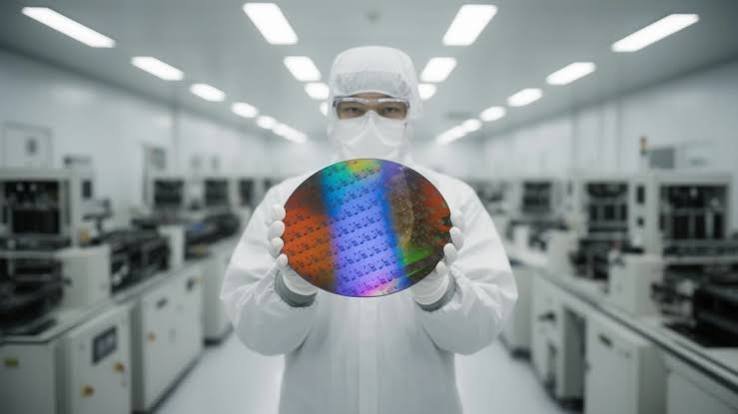
Rather than simply increasing wafer production, AMD is focusing heavily on the back-end of semiconductor manufacturing, where advanced packaging has become an increasingly important factor in delivering high-performance AI systems.
Advanced Packaging Becomes Critical for AI Chips
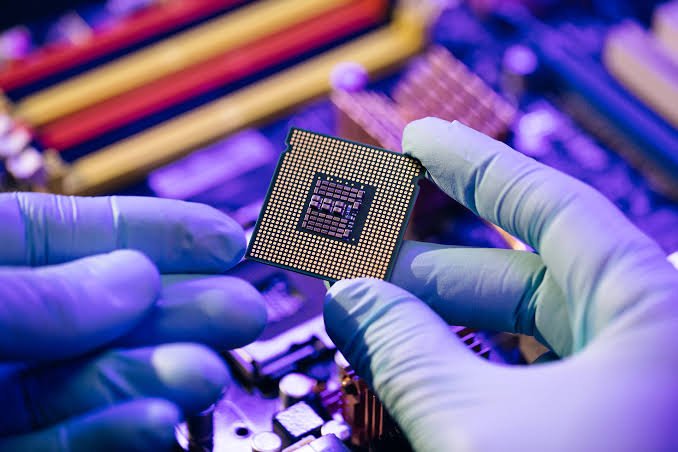
As AI processors integrate larger numbers of compute, memory and networking components, packaging technologies must provide high-bandwidth connections while controlling power consumption and thermal performance.
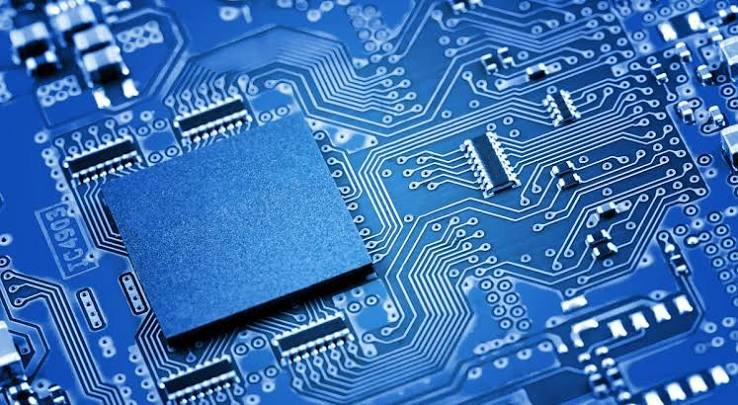
AMD is developing its Elevated Fan-Out Bridge (EFB) packaging technology with Taiwanese partners including ASE Technology and Siliconware Precision Industries. The company has also completed testing of a panel-based EFB approach with Powertech Technology.
The approach is intended to give AMD additional packaging capacity and flexibility as it scales its AI products. Advanced 2.5D packaging can help connect multiple dies within a single package, improving communication between components while reducing the energy required to move data.
AMD Looks Beyond TSMC
Although TSMC remains a critical manufacturing partner, AMD's Taiwan strategy extends across a broader supplier network. The company is working with packaging, substrate and manufacturing partners to create a more scalable production ecosystem.
This diversification is increasingly important as demand for AI accelerators places pressure on advanced packaging capacity. TSMC’s packaging technologies, particularly CoWoS, have become a major part of the AI chip supply chain, while demand from leading accelerator manufacturers has increased competition for available capacity.
AMD’s investment in alternative packaging technologies such as EFB could therefore provide additional manufacturing flexibility while helping the company secure the capacity needed for future AI deployments.
AI Growth Raises Manufacturing Capacity Requirements
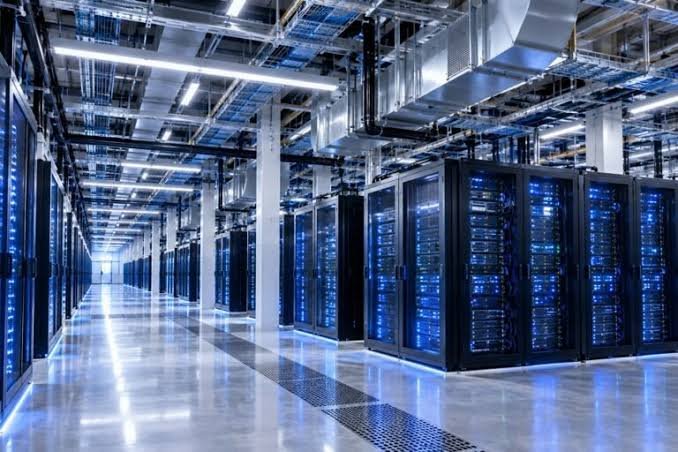
AMD’s decision comes as its data-centre business expands rapidly. The company is targeting annual growth of more than 60% for its data-centre segment over the next three to five years, increasing the importance of a reliable supply chain capable of supporting larger volumes of AI hardware.
The company’s Helios platform is particularly significant as AMD seeks to compete more aggressively in large-scale AI infrastructure. The rack-scale architecture combines GPUs, CPUs and other components into an integrated computing platform, increasing the need for advanced packaging and manufacturing coordination.
AMD has also secured significant supply commitments across wafers, substrates, components, cloud capacity, software and technology licences, underlining the scale of investment required to support its AI ambitions.
Taiwan Remains Central to AMD’s Semiconductor Strategy
AMD’s investment also highlights Taiwan’s continuing importance to the global semiconductor industry. While the company is expanding its manufacturing relationships in other regions, Taiwan remains central to its access to advanced foundry, packaging and component suppliers.
AMD is simultaneously making use of TSMC’s growing manufacturing footprint in the United States, giving the company an additional geographical option as it expands production.
For CEO Lisa Su, the Taiwan investment is therefore more than a commitment to chip manufacturing. It represents an effort to build the wider supply-chain capacity needed to turn growing AI demand into large-scale production.
As AI infrastructure expands, securing advanced packaging, substrates and manufacturing capacity could become just as important as access to leading-edge process technology. AMD’s Taiwan strategy reflects this shift, positioning packaging and supply-chain capacity as key elements of its long-term AI growth plans.