India to Have Five Operational Semiconductor Manufacturing Plants by End of 2026, Says Ashwini Vaishnaw
The government expects five semiconductor fabrication, OSAT and ATMP facilities to be operational by the end of 2026 as India accelerates domestic chip manufacturing under its national semiconductor mission.
India is expected to have five semiconductor manufacturing facilities in operation by the end of 2026, marking a significant step in the country's efforts to establish a strong domestic chip manufacturing ecosystem.
Union Minister for Electronics and Information Technology Ashwini Vaishnaw said the government has approved 12 semiconductor projects under its national semiconductor programme. Of these, three facilities have already entered commercial production, while two more are scheduled to be inaugurated in the coming months.
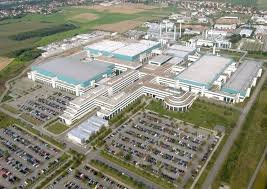
The latest milestone follows the commissioning of the CG Semi outsourced semiconductor assembly and test (OSAT) facility in Sanand, Gujarat, which became the country's third operational semiconductor plant. The government views the project as another important step towards reducing India's reliance on imported chips and strengthening the domestic electronics manufacturing supply chain.
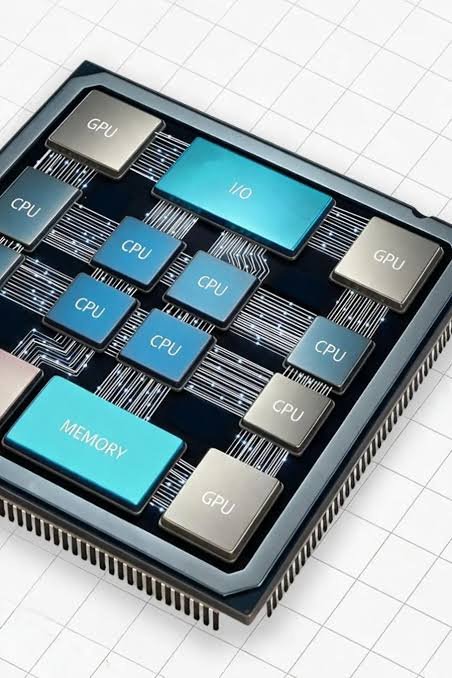
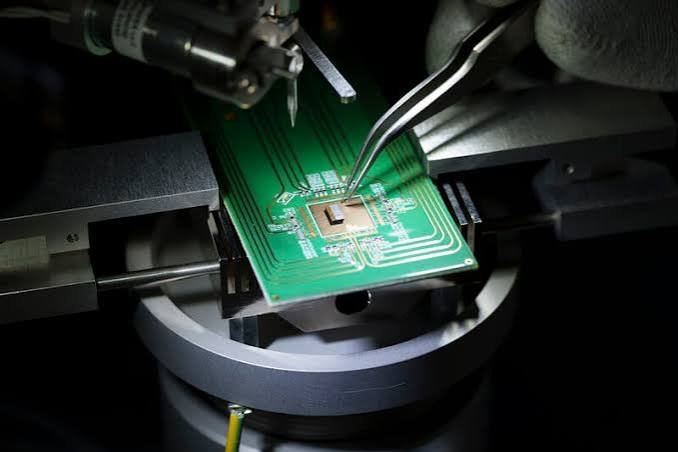
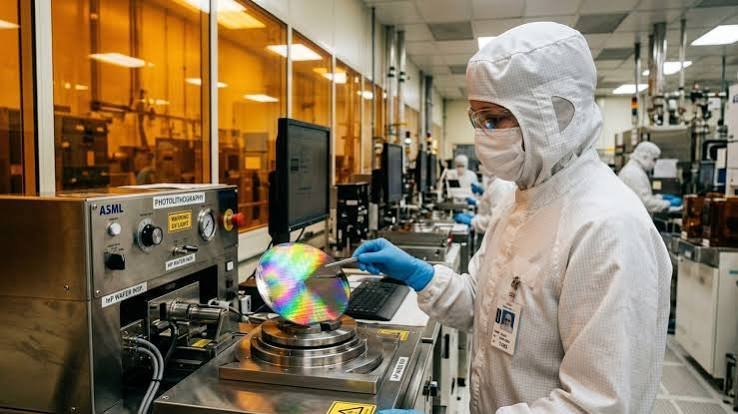
The approved projects span semiconductor fabrication, assembly, testing, marking and packaging (ATMP), as well as compound semiconductor manufacturing. They are expected to support the growing demand for semiconductors across sectors including consumer electronics, automotive, telecommunications, industrial automation and artificial intelligence.
India's semiconductor initiative is backed by substantial government incentives aimed at attracting global manufacturers and encouraging local production. The programme seeks to build a complete semiconductor ecosystem by promoting investment in manufacturing, design, research and supply chain development.
With additional facilities set to commence operations over the coming months, the government expects India to strengthen its position in the global semiconductor value chain while creating new opportunities for high-value manufacturing, technology development and skilled employment.