How AI is Reshaping Memory Semiconductor Investing: Tema ETFs on CXMT, DISK and Global Growth
10 August 2026 |
Interaction
The investment firm outlines how its DISK ETF provides targeted exposure to the global memory semiconductor industry, including DRAM, NAND and high-bandwidth memory, as AI infrastructure accelerates demand.
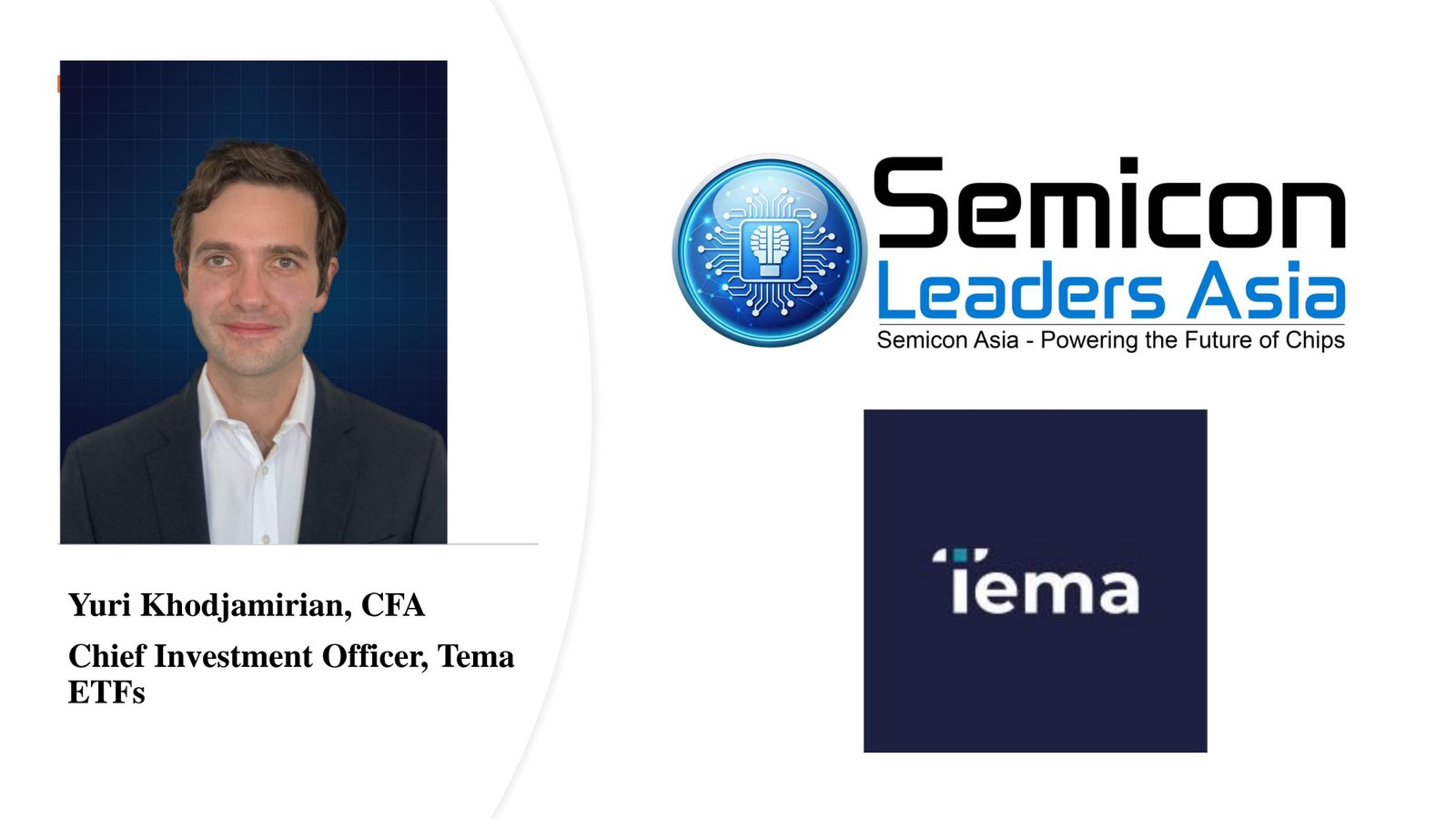
In Conversation with Yuri Khodjamirian, CFA, Chief Investment Officer, Tema ETFs | Semicon Leaders Asia Explores AI, CXMT and the Future of Memory Semiconductor Investing
Q. Tema ETFs added CXMT as one of DISK's largest holdings immediately after its IPO. What gave your investment team the confidence to make such an early and significant allocation?
We studied CXMT well before the IPO, including its manufacturing progress, technological edge, and competitive positioning. That work, supported by research from our exclusive partnership with SemiAnalysis, allowed us to assess the company on its long-term fundamentals and move quickly once exposure became available.
Q. How does CXMT's addition strengthen DISK's long-term investment strategy, particularly as AI-driven demand continues to reshape the global memory semiconductor market?
CXMT adds exposure to China’s leading DRAM producer as it develops from a challenger into a globally relevant force. Its growing scale, strong domestic customer base, and potential in high-bandwidth memory (HBM) strengthen DISK’s participation in AI-driven memory demand while broadening the portfolio geographically and competitively beyond the established U.S. and Korean producers.
Q. As an actively managed ETF, how does Tema identify emerging semiconductor opportunities before they become widely accessible to global investors, and what role does industry research play in that process?
Active management allows us to evaluate new opportunities and changes in market dynamics without waiting for an index rebalance. Our research partnership with SemiAnalysis adds detailed industry insight into a company like CXMT’s manufacturing capabilities, product roadmaps, and competitive positioning, which helps inform our investment decisions.
Q. DISK is positioned as the first institutional-grade ETF dedicated to the memory semiconductor industry. What differentiates the fund from broader semiconductor ETFs available to investors today?
Broader semiconductor ETFs typically have limited memory exposure and are more heavily weighted toward semiconductor design companies, including mega caps like Nvidia. DISK is dedicated to the global memory ecosystem, including DRAM, high-bandwidth memory (HBM), and particularly NAND, which we believe is underappreciated as increasingly data-intensive AI workloads require vast amounts of cost-efficient storage alongside high-performance memory.
Q. Many international investors cannot yet directly access CXMT shares. How does DISK provide an alternative route for investors seeking exposure to China's fast-growing memory semiconductor sector?
DISK provides exposure to CXMT through a total return swap within a U.S.-listed ETF, without requiring investors to trade directly on a hard-to-access offshore exchange. The position sits within a broader, high-conviction portfolio of global memory companies.
Q. Looking ahead, how do you expect DISK's portfolio to evolve as AI infrastructure, cloud computing, and high-bandwidth memory technologies continue to drive demand across the global memory ecosystem?
DISK has a meaningful tilt toward NAND today, but as an actively managed fund, we will remain nimble and continually seek the strongest opportunities across the global memory ecosystem. Supported by SemiAnalysis’s industry research, we will focus on companies whose technology, capacity, and competitive position are improving, while maintaining our long-term conviction that AI will drive sustained demand for memory.