Smart Payment Association Warns of Payment Card Supply Risks Amid Semiconductor Capacity Pressures
The industry body says rising demand for foundry capacity, geopolitical tensions and pressure on key materials could disrupt payment card production, urging issuers to improve demand forecasting and long-term supply planning.
The Smart Payment Association (SPA), the trade body of the cards and mobile payment industry, issued a position paper warning that intensifying global supply chain tensions are placing growing pressure on the availability of payment cards worldwide.
The paper identifies two converging forces reshaping the payment card supply chain: semiconductor foundries increasingly prioritizing capacity for AI-enabled applications and data centers over mature manufacturing nodes, and sustained geopolitical instability affecting the supply of key components and materials used in payment cards, notably precious metals and PVC.
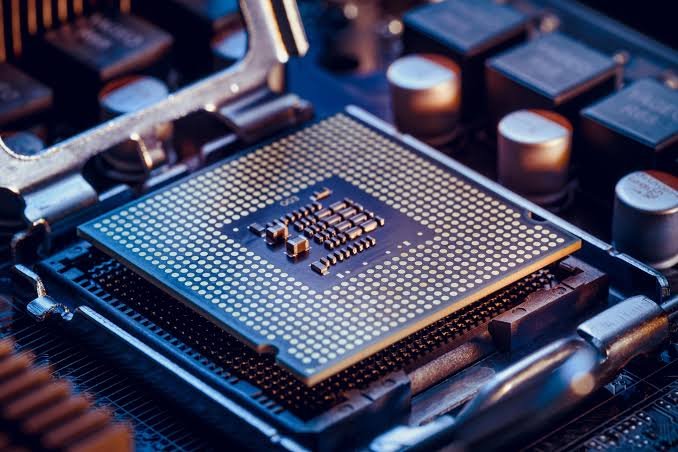
Payment card chips rely on mature nodes of 28nm and above. While AI is not expected to change their technology roadmap, surging AI-related demand is intensifying demand for the manufacturing capacity these chips depend on. Gold and other precious metals used in EMV chip components and electrical contacts also face sustained supply pressures due to geo-political tensions which are compounded by capacity constraints on trading routes.
Given the interconnected nature of global supply chains, payment card manufacturers are already taking steps on an individual basis to avoid the kind of chip shortages experienced after the Covid-19 pandemic. However, as semiconductor foundries report growing capacity constraints, manufacturers are increasingly required to qualify and transition to alternative sources for the production of payment card chips - a process that demands significant time, resources and technical effort.
To help mitigate these risks, the SPA is urging card issuers to share accurate demand forecasts with their manufacturers as early as possible, communicate anticipated changes in volume or product mix promptly, and align early on frame orders and long-term planning. This, the SPA says, will allow manufacturers to secure capacity and work more effectively with semiconductor suppliers.