AI, Advanced Packaging and EVs to Drive the Next Decade of Thermal Interface Materials Growth
03 August 2026 |
Interaction
Growing AI infrastructure, advanced semiconductor packaging and electric-vehicle production are reshaping thermal management, with Asia emerging as the key investment hub and collaboration accelerating innovation across the TIM ecosystem.
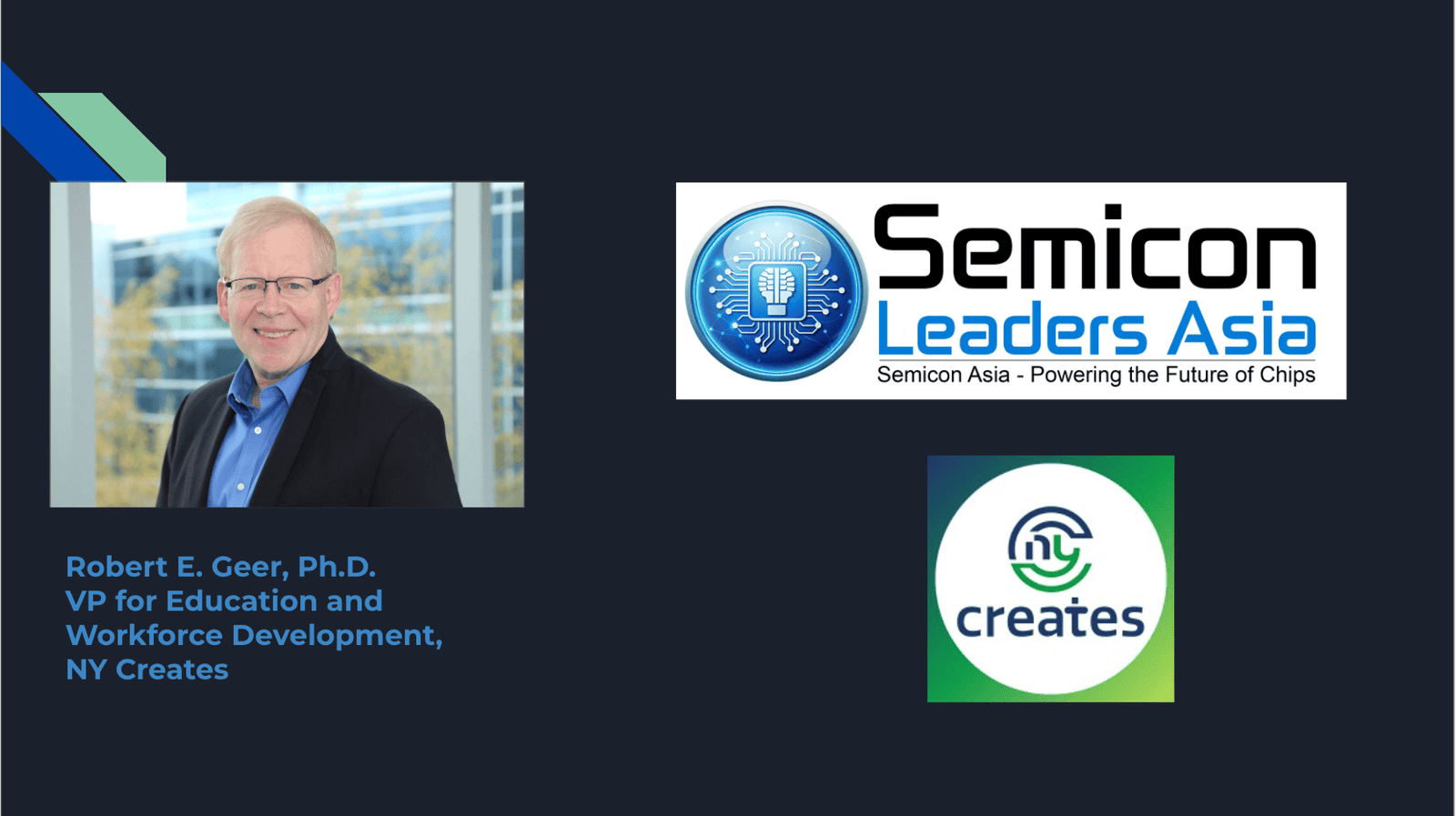
In this interview with Semicon Leaders Asia, Nikhil Kaitwade, Associate Vice President at Future Market Insights, Inc., discusses how AI infrastructure, advanced semiconductor packaging and electrification are driving demand for thermal interface materials, while highlighting the role of Asia, material innovation and industry collaboration in shaping the market's future.
- Which end market offers the greatest long-term opportunity?
AI infrastructure and high-performance semiconductor systems are likely to create the strongest long-term value opportunity for TIM suppliers, while electric vehicles will remain an important volume market.
The global TIM market is forecast to grow at a 5.1% CAGR from 2026 to 2036. Electronics and semiconductor applications are expected to account for 52.4% of demand in 2026, reflecting the growing thermal requirements of processors, GPUs, AI accelerators, memory devices and power semiconductors.
AI systems generate concentrated heat under continuous workloads, increasing demand for low-resistance materials, thin bond lines and greater stability under thermal cycling. Data-centre construction and data-intensive applications are also increasing the need for efficient thermal management to maintain performance and energy efficiency.
EVs will create significant demand across battery packs, power electronics, charging systems and electronic control units. However, AI computing and advanced packaging are likely to offer higher material value per device and greater opportunities for customised formulations.
- How are thermal-management requirements evolving?
Thermal management is shifting from conventional heat dissipation toward controlling higher power density, localised hotspots and multiple interfaces within increasingly compact semiconductor packages.
Next-generation materials will need lower contact resistance, thinner bond lines, improved conformability and stronger resistance to pump-out, cracking and repeated temperature cycling. These requirements will become more demanding as chiplets, stacked memory and complex packaging increase both heat concentration and surface variation.
Thermal pads are expected to hold approximately 38.6% of the market, supported by consistent thermal contact, flexibility and easier assembly in high-volume electronics manufacturing. Thermal pastes remain important in high-performance computing, while phase-change materials are gaining adoption in systems exposed to repeated thermal cycling.
Relevant innovations include liquid-metal TIMs, advanced gap fillers, phase-change materials, graphene composites and boron nitride-based formulations. The report also highlights gallium-based liquid metals for high-performance CPUs and GPUs because of their superior heat-transfer capability under heavy workloads.
- How will Asian investments shape future TIM demand?
Asia will remain central to TIM demand because it combines semiconductor fabrication, advanced packaging, electronics production and electric-vehicle manufacturing.
China is forecast to record the strongest country-level growth at approximately 6.8% annually, followed by South Korea at 6.1% and Japan at 5.3%. China’s growth will be supported by continued investment in semiconductor manufacturing, electronics production and EV assembly.
China was also the world’s largest spender on semiconductor manufacturing equipment in 2025. Its domestic semiconductor strategy spans chip design, fabrication, equipment and advanced packaging, creating demand across a broad range of thermal-management applications.
South Korea’s leadership in memory, high-bandwidth memory and semiconductor fabrication will support demand for thin, highly reliable TIMs used in AI systems. Japan’s strengths in silicones, graphite, ceramics and automotive electronics will continue to support specialised thermal materials.
Regional investment will also encourage suppliers to establish local manufacturing, qualification laboratories and co-development capabilities close to semiconductor fabs and packaging facilities.
- How important is collaboration across the ecosystem?
Collaboration is critical because TIM performance depends on the complete thermal system, not only on the material’s stated conductivity.
Semiconductor companies define power density and hotspot locations. Packaging specialists determine interface geometry, warpage and bond-line requirements. Material suppliers optimise fillers, polymers, viscosity and curing behaviour, while cooling-system and equipment manufacturers validate performance under real operating conditions.
This cooperation is particularly important for AI processors, chiplets, stacked memory, EV power modules and liquid-cooled systems, where thermal, mechanical and manufacturing requirements must be addressed together.
The report identifies collaboration between material manufacturers and technology companies as an important factor in integrating TIMs into next-generation cooling systems for high-performance computing and data centres.
A practical example is the partnership between Arieca and ROHM to develop liquid-metal embedded elastomer TIMs for silicon-carbide power modules.
Early collaboration reduces qualification time, improves manufacturability and enables suppliers to develop application-specific products rather than relying on general-purpose formulations.
- How can companies strengthen supply-chain resilience?
Companies should prioritise diversified sourcing, regional production, early qualification of alternatives and long-term agreements for critical materials such as silicones, epoxies, graphite and specialised fillers.
Raw-material availability remains a significant challenge because shortages and price volatility can disrupt production and delay customer qualification. The report notes that manufacturers are increasingly diversifying supply chains to mitigate these risks.
Dual sourcing should involve complete technical qualification rather than simply identifying a backup supplier. Alternative inputs must be tested for conductivity, viscosity, curing behaviour, dielectric performance and thermal-cycling reliability.
- Which technologies will have the greatest impact over the next decade?
AI computing, advanced semiconductor packaging, electrification and liquid cooling will have the greatest impact on TIM development over the next five to ten years.
As processors become more powerful and packages more complex, suppliers will need materials capable of supporting higher power densities while maintaining long-term reliability.
Liquid-metal TIMs should gain adoption in CPUs, GPUs, EV inverters and power electronics because of their strong heat-transfer performance. Graphene and boron nitride composites will also attract interest by combining thermal conductivity with mechanical compliance. The report describes graphene-polymer composites that incorporate additional conductive fillers to improve thermal performance.
Phase-change materials, advanced thermal pads, non-silicone putties and automated dispensing technologies will become increasingly important. Direct-to-chip liquid cooling will also raise the performance requirements for the interface between processors and cold plates.